
Here’s the short version: book your puppy’s first vet visit within the first week of bringing them home, ideally at 8–9 weeks old. Expect a 30–45 minute appointment covering a full physical exam, vaccination review, deworming, and a weight check — and bring the breeder or shelter’s health paperwork, a list of any questions, and a few treats to make it a positive experience.
If you’ve just brought a puppy home, your first week probably feels like a blur of chewed shoes, midnight potty breaks, and a worrying number of Google searches. Booking the vet might feel like just another item on the list — but it’s the one that sets the tone for your dog’s whole life of healthcare. A good first visit isn’t about a needle in the leg; it’s about your puppy deciding the vet’s office is a place where good things happen.
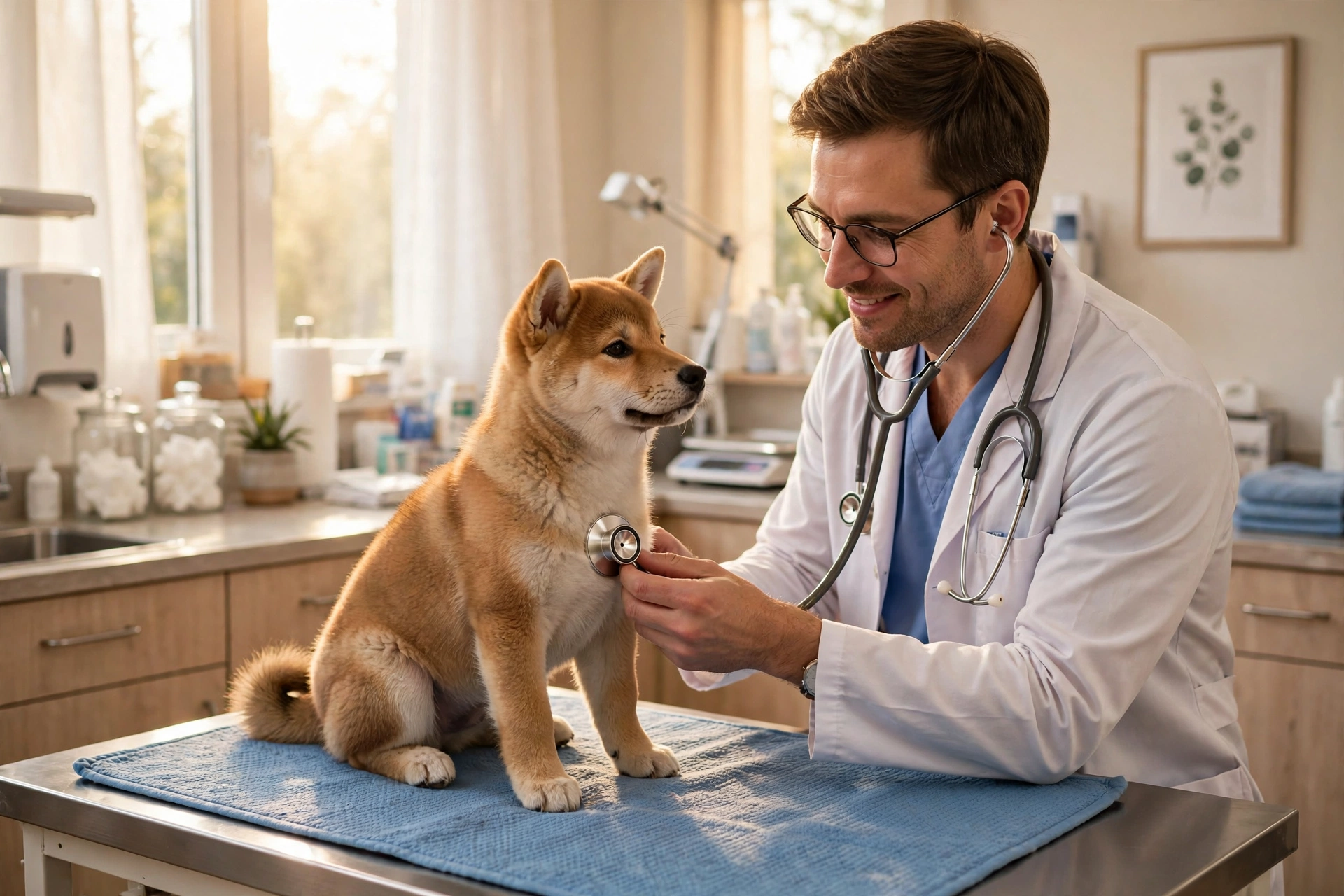
Book the first visit within a few days of bringing your puppy home.
When to Book the First Appointment
Most vets recommend the first checkup within 7 days of bringing your puppy home, and no later than 10–12 weeks of age. If your pup came from a breeder, you’ll usually have received a health certificate and the date of their first vaccination — bring all of it. Shelter and rescue puppies should be seen just as quickly, since stress from the transition can mask early health issues.
Call ahead and ask specifically for a “new puppy wellness exam.” Most clinics block 30–45 minutes for these, which is roughly double a standard appointment. It’s worth asking whether they have a quieter time of day — weekday mornings are usually calmer than Saturday rushes, and a calmer waiting room makes everything easier for a nervous pup.
What Actually Happens at the Visit
A first exam follows a predictable rhythm, and knowing it in advance helps you watch for things the vet is checking:
The full physical exam
The vet will look at your puppy from nose to tail — literally. Eyes and ears for discharge or irritation, mouth and teeth (a puppy has 28 baby teeth, by the way), listening to the heart and lungs with a stethoscope, feeling the abdomen, checking the joints and spine, and examining the skin and coat for parasites like fleas. This whole head-to-tail once-over takes about 10–15 minutes and establishes your puppy’s baseline health.
Weight, growth, and nutrition
Expect your puppy to be weighed, and expect that number to be written down somewhere important. Puppies grow at startling speed — a healthy lab puppy can gain 1–1.5 kg (2–3 lbs) per week — and the vet will use weight trends to judge whether their food portions are on track. Bring the exact name of whatever you’re feeding, and be honest about table scraps. Vets have heard it all; they just need the real numbers to calibrate advice.
Vaccination review and planning
Core puppy vaccines typically follow a schedule of 3–4 rounds given every 3–4 weeks, starting at 6–8 weeks and finishing around 16 weeks. The core shots are distemper, parvovirus, adenovirus (hepatitis), and rabies; your vet may also recommend bordetella or leptospirosis depending on where you live. The vet will review what’s already been given — this is why the paperwork matters — and map out the remaining schedule. If the breeder gave the first round, don’t let them re-vaccinate too early; timing gaps are what make the protection work.
Deworming and parasite prevention
Roundworms are shockingly common in puppies — the CDC and veterinary parasitology surveys routinely find intestinal parasites in a significant share of young dogs. Most vets will run a fecal test (bring a fresh stool sample in a baggie; yes, really) and start a deworming protocol, plus discuss year-round flea, tick, and heartworm prevention. Heartworm prevention is non-negotiable in warm climates and most of the US South.
Questions Worth Asking
Walk in with a short list. These are the ones most vets wish new owners would ask:
- “Is my puppy’s growth curve where it should be?” — breed size determines a lot; a 12-week-old beagle and a 12-week-old Great Dane have very different targets.
- “What should I actually feed, and how much?” — ask for a gram or cup measurement, not just a brand name.
- “When can we start puppy class and dog parks?” — most vets say after the second round of vaccines for classes and the full series for parks, but local risk varies.
- “What’s your after-hours emergency process?” — find this out on a calm Tuesday, not at 11 pm on a Sunday.
- “How do I get my puppy used to handling?” — paw, ear, and mouth touching now saves wrestling matches later.
Don’t worry about asking something “silly.” First-time owners ask about everything from sneezing fits to whether the puppy is sleeping too much (they’re not — puppies sleep 18–20 hours a day, and that’s normal).
Making It a Good Experience
Your puppy’s memory of this visit will color every future one. A few things genuinely help:
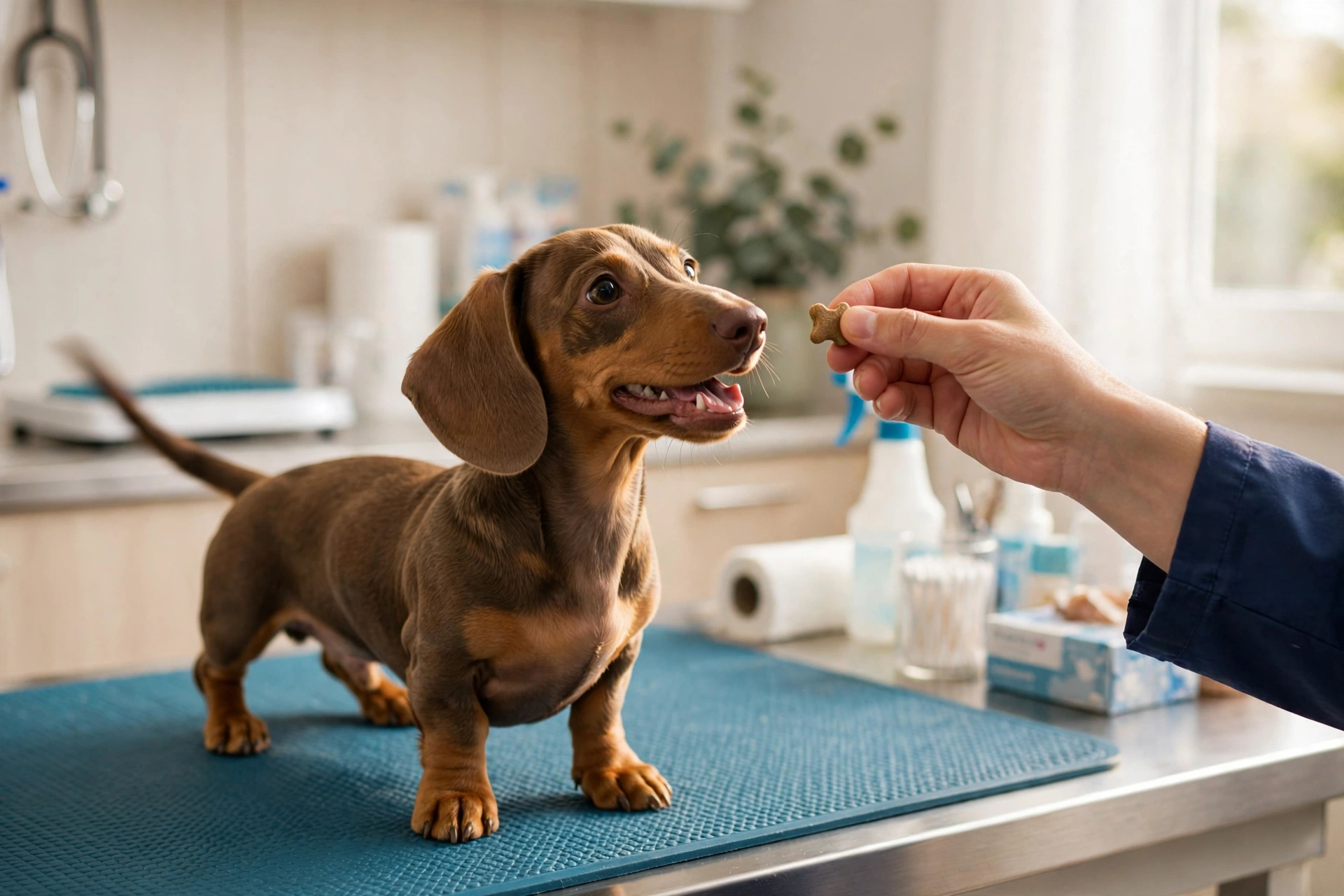
Treats and praise turn the vet clinic from scary to treat-dispenser.
Don’t feed right before. A slightly hungry puppy is much more motivated by the treats the vet offers, and it also reduces the chance of car sickness. Practice handling at home — touch their paws, lift their lips to see teeth, peek in their ears, and reward each one. Five minutes a day for a week makes a real difference.
Bring a familiar-smelling blanket or toy. The exam table is cold and the room smells like disinfectant and other animals. Something from home lowers the stress baseline. And stay relaxed yourself — puppies read your body language constantly. If you’re tense, they’re tense.
When you get home, note the date of the next visit and any medication schedule on your calendar. Most clinics will email a summary; keep it in a folder or a notes app with the vaccine dates. In three months, when someone asks when the last booster was, you’ll be the rare owner who knows.
FAQ
How much does a puppy’s first vet visit cost?
A basic new-puppy exam typically runs $50–$100 in most US cities, before vaccines or tests. With a fecal test ($25–$45), vaccines ($20–$50 each), and deworming, expect the first appointment to total somewhere around $100–$250 depending on your area.
Should I take my puppy to the vet before their first vaccinations?
Yes — the wellness exam happens first, and vaccines are given during it or on the vet’s schedule. The exam identifies any health issues that might delay vaccination, which is exactly why the checkup comes before (or alongside) the shots rather than after.
What if my puppy was already seen by the breeder’s vet?
Still book your own visit within the week. A breeder’s vet works for the breeder; your vet works for you and your dog. Your first appointment establishes your puppy’s record, their growth baseline, and a relationship you’ll rely on for years.
Can my puppy meet other dogs before finishing vaccines?
Socialization matters enormously — the window from 3–14 weeks is when puppies learn what “normal” looks like. Most vets approve playdates with known, healthy, vaccinated dogs and controlled puppy classes after the second vaccine round. Avoid dog parks and unknown dogs until the full series is done, usually around 16 weeks.
My puppy seems fine — can I skip the first visit?
Not recommended. Puppies hide illness remarkably well, and several congenital issues (heart murmurs, hernias, luxating patellas) only show up on a hands-on exam. The visit also gets your puppy into the clinic’s system, which means faster help when you actually need it.
You only get one first visit. Use it well, keep the treats coming, and in a year or two you’ll have a dog that walks into the vet’s office with its tail wagging — and that’s worth more than it sounds.
This visit is one stop on a longer road: our complete first-month guide for new pets shows how the first checkup fits into the full four-week settling-in plan.
This article was created with AI assistance and reviewed by our editorial team before publishing.
 Syrian Hamster Care Guide: Home, Diet and Handling
 Bringing Home a New Pet: The Complete First-Month Guide
 First Rabbit Care Guide: Housing, Hay and Daily Routines
Leave a Reply