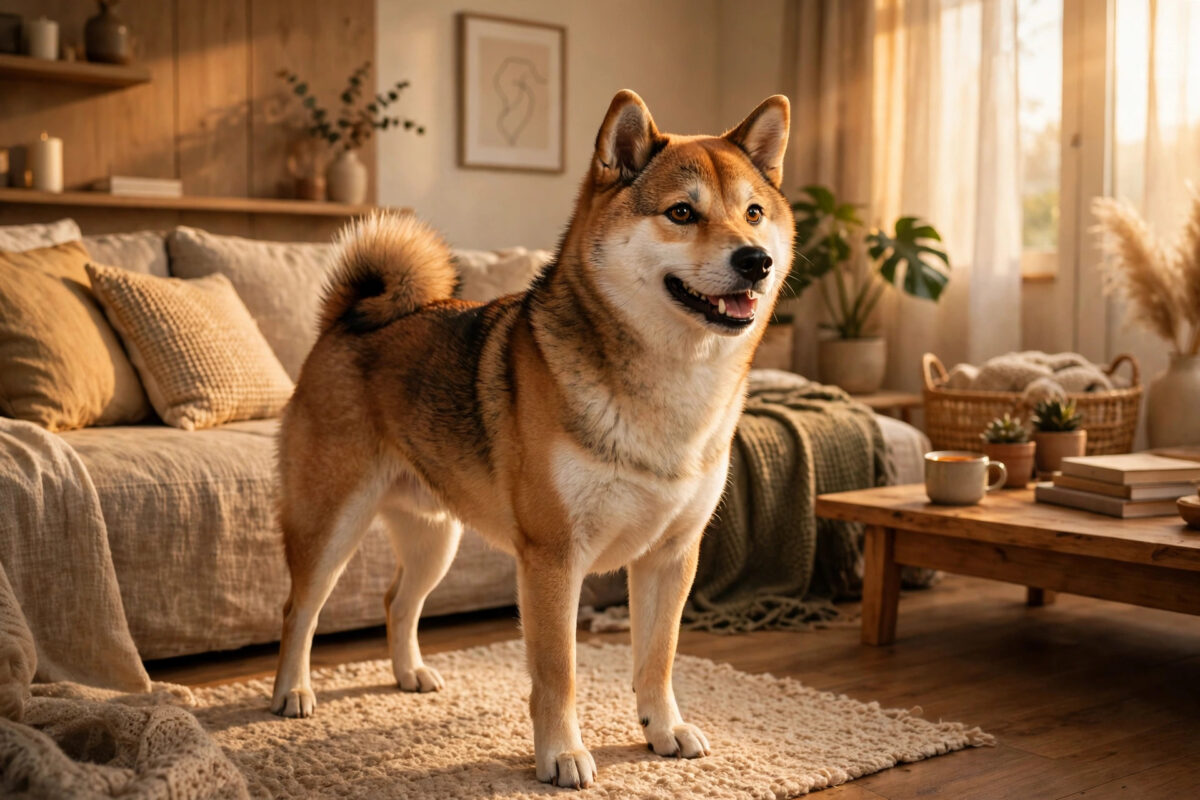
A Shiba Inu can be a wonderful first dog if you want loyalty without clinginess and you respect a strong-willed mind. Shibas are independent, clean, and deeply devoted once they trust you. They need patient training, daily exercise, early socialisation, and honest expectations about shedding and recall.
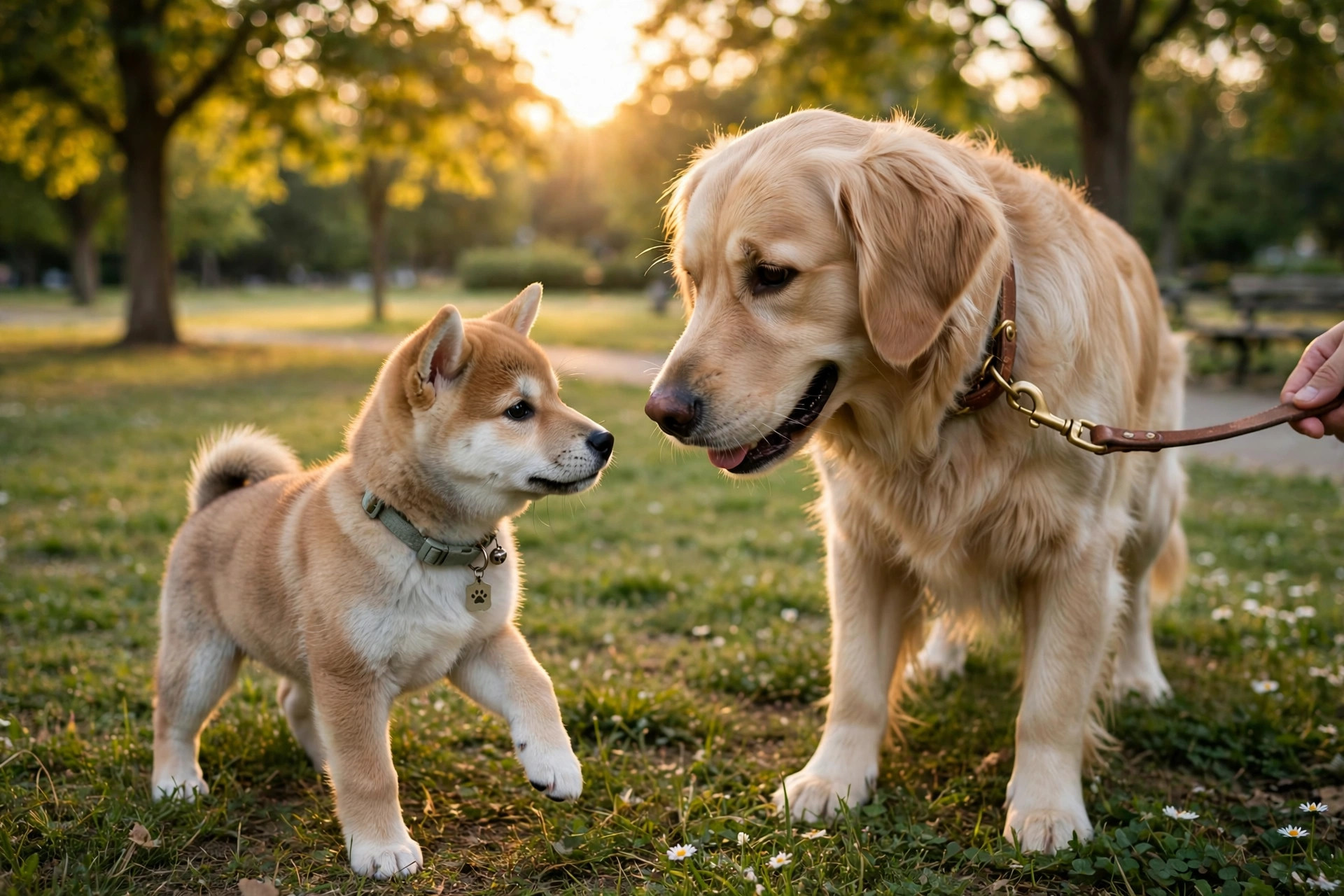
That foxy face comes with an independent mind
People often spot the curled tail and pointed ears first. Then they meet the personality, and that’s where the real breed lives.
A Shiba isn’t a dog who trots over to greet every stranger. Most are reserved at first, polite at best, and they pick their people carefully. Win that trust, though, and you’ve got a companion who follows the household rhythm closely, just not in a slobbery, in-your-lap way.
Owners often describe them as cat-like, and it fits. Shibas groom themselves, they value their space, and they’ll happily watch the room from a chosen corner. Affection tends to be on their terms. A head resting near you, not on you, can be a big compliment.
Size, lifespan, and the basics
According to the American Kennel Club, the Shiba Inu stands about 13.5 to 16.5 inches tall and typically weighs around 17 to 23 pounds. It’s a compact dog, sturdy rather than delicate.
The AKC also lists the breed’s lifespan as 13 to 16 years. That’s a long commitment, and it’s worth sitting with that number before you fall for a puppy photo.
Shibas come in red, sesame, black and tan, and cream coats, always with that dense double coat underneath. Small dog, yes. Low-maintenance dog? Not quite.
Energy: calm indoors, busy outdoors
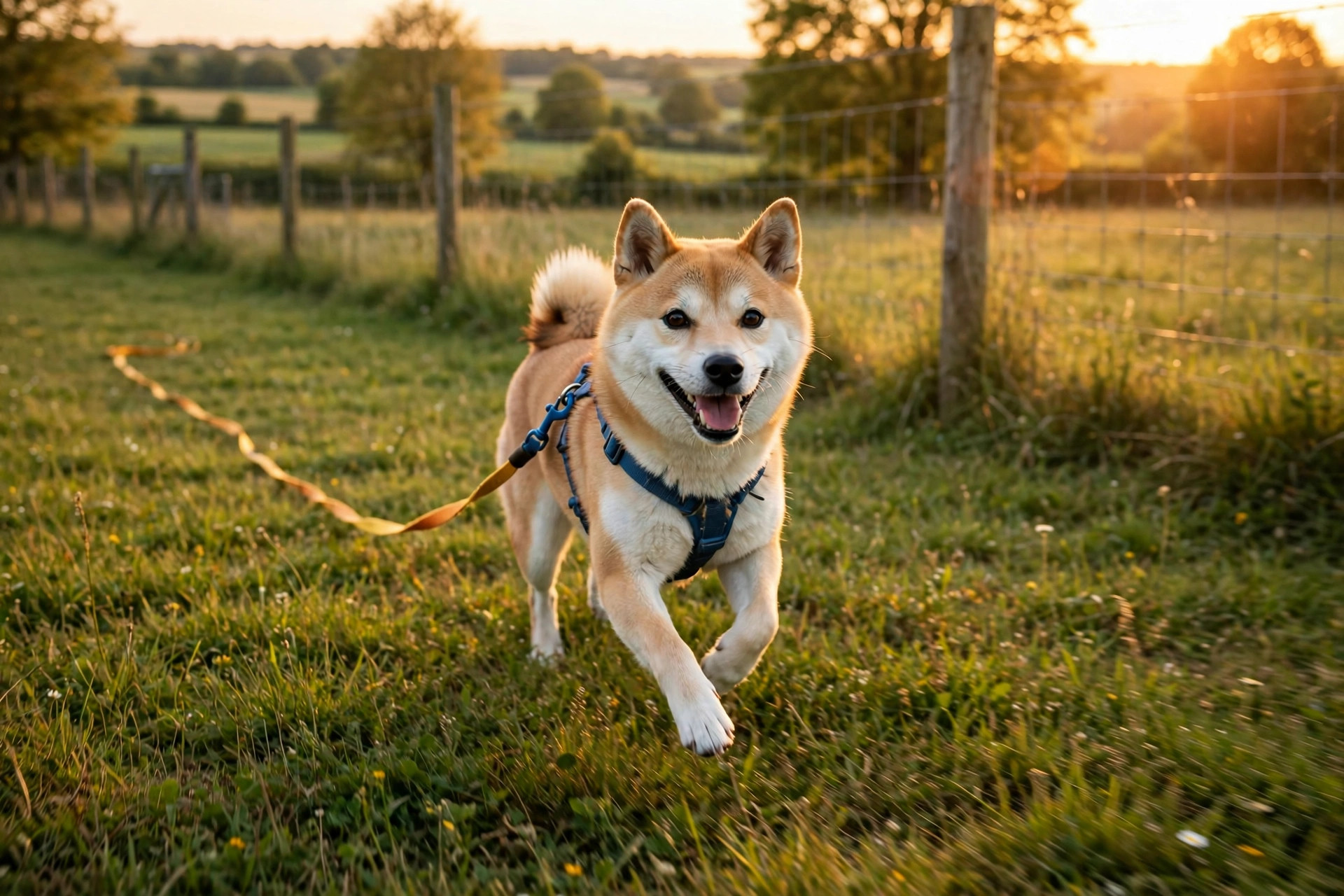
Here’s the surprise for a lot of beginners. A well-exercised Shiba is often quiet and settled at home, sometimes almost aloof. Take away the exercise, and you’ll meet the other version — restless, inventive, and keen to redecorate.
Plan on a proper daily walk plus play, sniffing time, and something for the brain to chew on. A rushed lap around the block won’t cut it. Let your Shiba sniff. For a breed this observant, a slow, sniffy walk can tire them out in a way a fast march doesn’t.
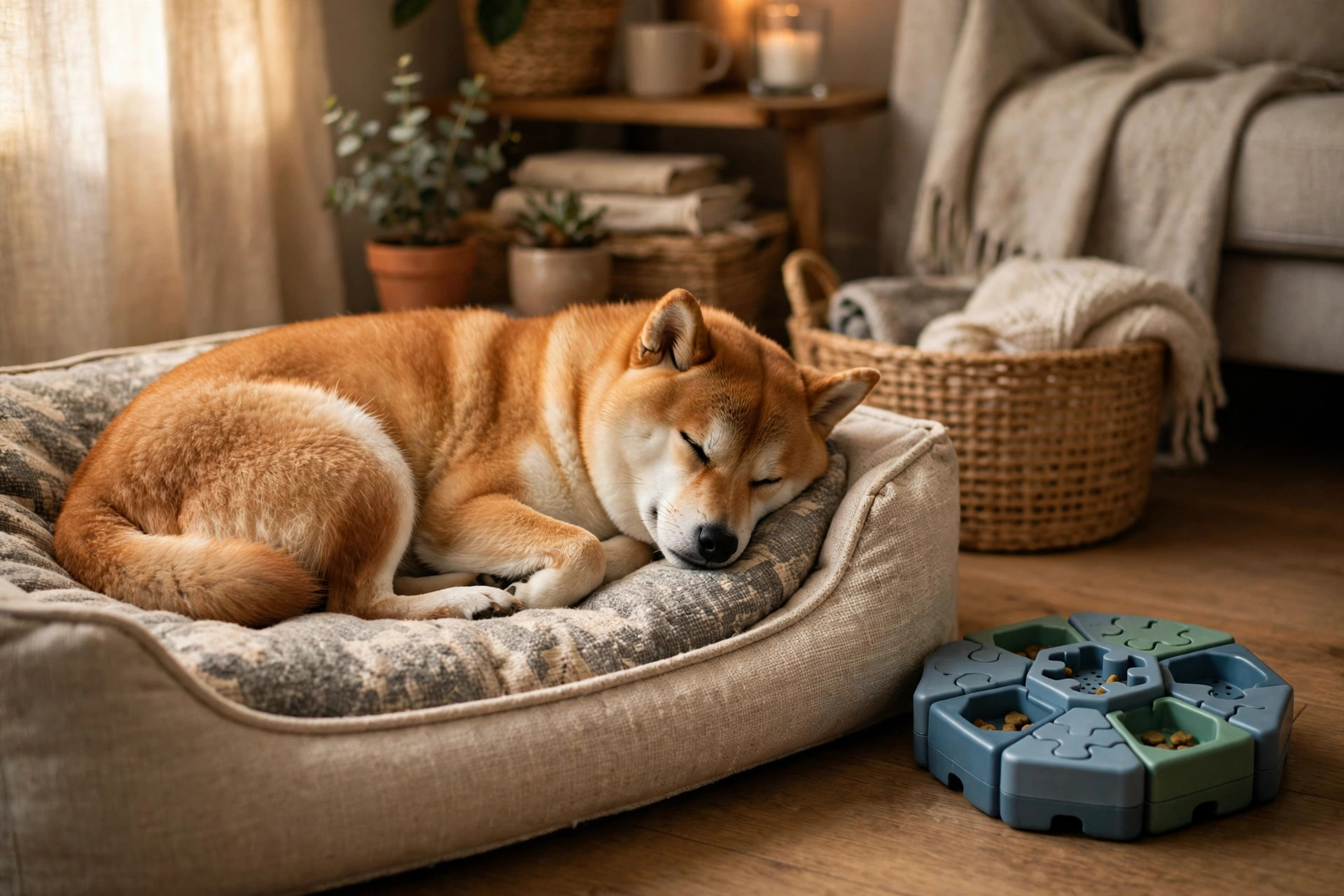
Mental work matters just as much. Puzzle feeders, scatter feeding in the grass, short training games, and rotating toys all help. Got a rainy day? Hide treats in folded towels and let your dog work it out. You’ll see that clever brain switch on.
Training realities nobody should sugar-coat
Can you train a Shiba? Absolutely. Will it feel like training a people-pleasing retriever? No, and pretending otherwise sets everyone up to fail.
Recall is the headline issue. Many Shibas go deaf the moment something more interesting appears — a squirrel, another dog, a fascinating smell. Until recall is rock solid, and for many owners that means always, use a long line in open spaces and keep off-lead time for secure, fenced areas.
Keep sessions short and worthwhile. Shibas clock repetition fast, and once they decide a drill is pointless, they’ll check out. Rewards need to be genuinely good, not the same dry biscuit every time. Cheese, chicken, whatever your dog actually loves.
A Shiba doesn’t ignore you because it doesn’t understand. Often it understands perfectly — it just wants a better reason.
Socialisation needs an early, steady start. Introduce your puppy calmly to different people, dogs, sounds, and surfaces, without flooding them. A Shiba who missed that window can grow wary, and wary can harden into reactive if you’re not careful.
Watch resource guarding, too. Some Shibas guard food, chews, or favourite spots. Don’t grab things away to prove a point. Teach swaps instead — trade up, give something better, and make giving things to you a good deal. If guarding escalates, get a qualified, reward-based trainer involved early.
The coat: beautiful, and everywhere twice a year
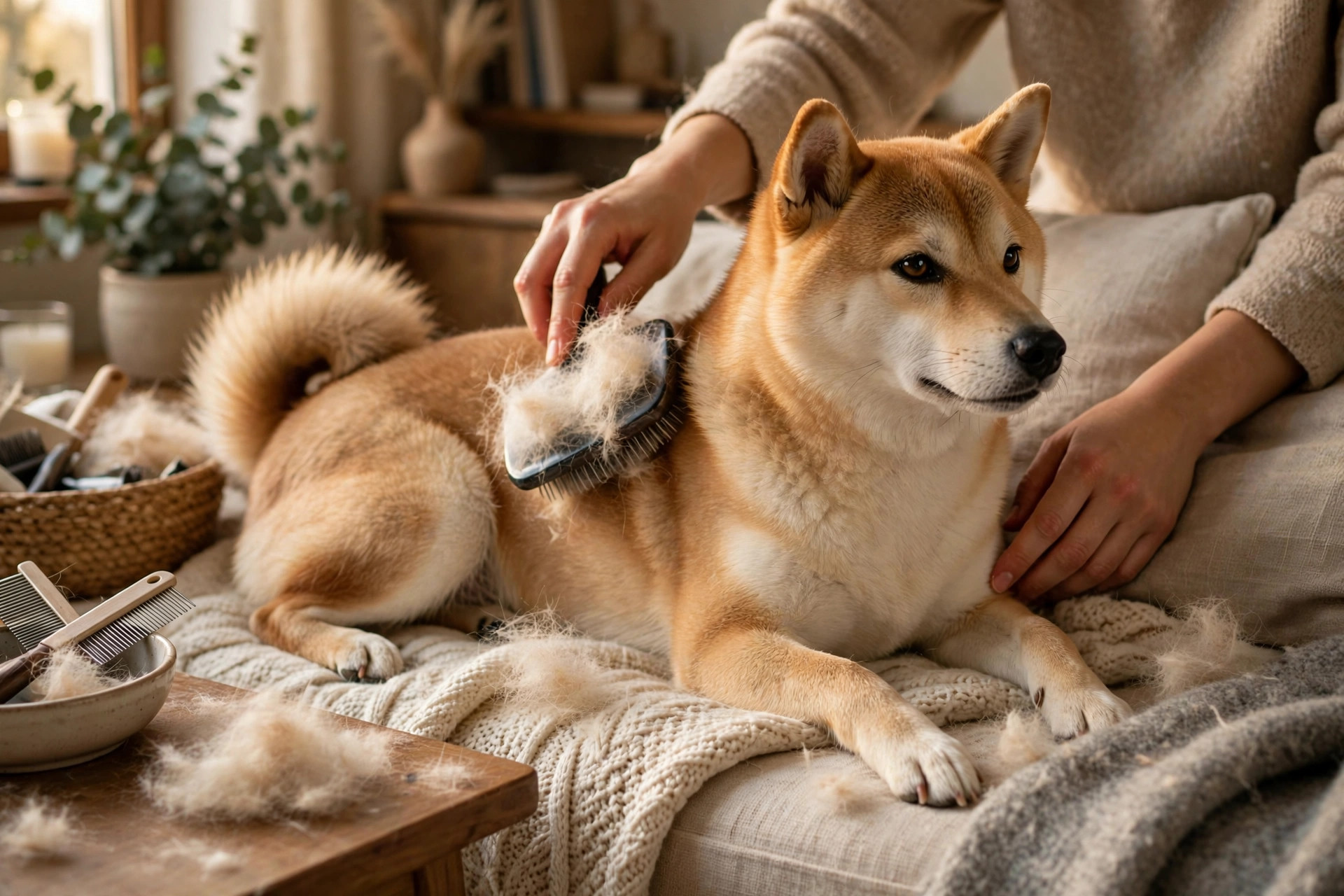
That plush double coat sheds. Not a little. Most of the year you’ll see steady hair on clothes and floors, and then shedding season arrives and the undercoat comes out in soft clumps you can pull by the handful.
Brush weekly in normal times, and more often when the coat is blowing. A slicker brush and an undercoat rake will earn their keep. Never shave a Shiba — the double coat insulates against both cold and heat, and shaving can damage how it grows back.
The upside? Shibas are naturally clean dogs with little doggy odour, and many dislike getting muddy in the first place. Baths can stay occasional unless someone has rolled in something truly awful. Nails, teeth, and ears still need the usual routine checks, same as any breed.
Living setup: what works, what doesn’t
Apartment living can suit a Shiba well, provided the exercise and mental work actually happen. They’re not typically big barkers, though many will alert you to visitors and odd noises. That famous Shiba scream? Real. It tends to appear during nail trims, baths, or moments of strong protest.
Secure fencing is non-negotiable if you’ve got a garden. Shibas are agile, determined, and talented escape artists when bored or chasing something. Check gates, dig points, and gaps like you mean it.
Thinking about other pets? Early upbringing together helps a lot. Be cautious with small animals — many Shibas have a strong prey drive, and a loose hamster or a fleeing cat can flip a switch fast. Introductions with other dogs go best on neutral ground, at a distance, without forced greetings.
Health watch-outs, in plain terms
Shibas are generally regarded as a hardy breed, but no breed gets a free pass. The Kennel Club lists eye conditions among the concerns to discuss with breeders for this breed, including glaucoma, which can be painful and needs prompt veterinary attention.
Allergies and skin irritation show up in the breed, too, so persistent scratching, licking, or sore patches deserve a vet visit rather than a wait-and-see month. Hip problems are less common than in large breeds, yet they aren’t unheard of, which is why a good breeder health-tests their dogs and will talk you through the results.
Choose that breeder slowly. Ask what health tests the parents have had, meet at least the mother, and walk away if you’re rushed or discouraged from asking questions. After that, routine vet checks, sensible weight, and good dental care do most of the heavy lifting.
Who a Shiba suits — and who should skip one
You’ll likely enjoy a Shiba if you like a dog with character, you can laugh when your pet disagrees with you, and you’re consistent without being heavy-handed. Calm, patient households tend to bring out the best in them.
Skip the breed, honestly, if you want a dog who adores every visitor, comes back instantly off-lead at the park, or cuddles on demand. There’s no shame in that list. It just describes a different dog, and choosing that different dog is the kind thing to do.
First-time owner? You don’t get an automatic no. You do get homework. Read, talk to owners, spend time around adult Shibas if you can, and go in with your eyes open.
Your first month together
Week one is about safety and quiet wins. Puppy-proof one area, set up a crate or pen as a rest spot rather than a punishment, and keep visitors low-key. Short toilet trips, short play, lots of sleep — puppies need far more rest than most people expect.
By weeks two and three, build the routine: meals, walks, training in tiny bursts, and calm handling practice. Touch paws, look in ears, lift a lip, then reward. Future you, facing nail-trim day, will be grateful.
By the end of the first month, don’t expect a finished dog. Expect a pattern. You’ll know your Shiba’s signals better, recall will still be a project, and the bond will be quietly forming in those small, undramatic moments. That’s how it works with this breed. Slowly, then all at once.
Questions first-time Shiba owners ask
Are Shiba Inus good for first-time owners?
They can be, if you’ve done your homework and want an independent dog. First-timers who expect easy obedience often struggle. Those who enjoy patience, routine, and humour about being occasionally ignored tend to do well.
Can a Shiba Inu be trusted off-lead?
Many owners never fully trust it in unfenced areas. Strong prey drive and selective hearing make recall unreliable, even in dogs who train beautifully at home. A long line and secure fields are the safer default.
How much shedding should I really expect?
A lot, twice a year, when the undercoat blows, plus steady shedding in between. Regular brushing helps, lint rollers help, but a hair-free home and a Shiba don’t go together. If that bothers you deeply, reconsider.
Are Shibas aggressive?
Not as a rule, but they can be wary of strangers and some guard food or favourite items. Early socialisation, swap games instead of snatching, and respectful handling matter a lot. If problems appear, bring in a reward-based trainer early rather than hoping it fades.
This article was created with AI assistance and reviewed by our editorial team before publishing.
 Border Collie for Beginners: Energy, Training and Care
 Best Cat Breeds for First-Time Owners: 7 Gentle Picks
 10 Best Dog Breeds for First-Time Owners
Leave a Reply