
The best dog breeds for first-time owners — Labrador, Golden Retriever, Cavalier King Charles Spaniel, Poodle, and Bichon Frise — top nearly every trainer’s list: forgiving, eager to please, tolerant of beginner mistakes. Below: ten beginner-friendly picks, plus three breeds better left to experienced hands.
What Actually Makes a Breed “Beginner-Friendly”?
Here’s the secret nobody tells first-timers: every puppy will chew a shoe, have an accident on the rug, and test your patience at 3 a.m. The real question is how forgiving the breed is while you’re both learning.
Beginner-friendly breeds tend to share four traits. First, they’re people-pleasing — they care what you think, which makes training feel like teamwork instead of negotiation. Second, they’re resilient — a missed training session doesn’t turn them into a problem dog. Third, they have moderate, predictable energy. And fourth, they’re socially easy — comfortable with strangers, kids, and other dogs.
One more thing: breed is only half the story. An adult rescue Lab who’s already house-trained can be an easier first dog than a brand-new puppy of the “perfect” breed.
The 10 Best Breeds for First-Time Owners
1. Labrador Retriever
The Lab held the AKC’s #1 spot for 31 straight years (1991–2022) and is still #2 in the 2025 rankings — for good reason. Labs are food-motivated, biddable, and endlessly patient with clumsy first-timer mistakes. A typical adult weighs 55–80 pounds and lives 11–13 years.
The honest catch: adolescent Labs (roughly 8–18 months) are enthusiastic demolition crews. They need about an hour of real exercise a day, and they shed more than you’d expect from a short coat. But for a family willing to walk and play, a Lab is the closest thing to a guaranteed happy ending.
2. Golden Retriever
The Golden is the Lab’s slightly softer cousin — same friendly temperament, a touch less energy, and a famously gentle mouth (bred to carry game birds without damaging them, which is why yours will proudly deliver a soggy slipper). Adults run 55–75 pounds with a 10–12 year lifespan.
The trade-off is the coat. That glorious golden fur needs brushing 2–3 times a week and sheds seasonally like it’s a part-time job. If you’re fine with lint rollers as a lifestyle, Goldens are about as sweet as dogs get.
3. Cavalier King Charles Spaniel
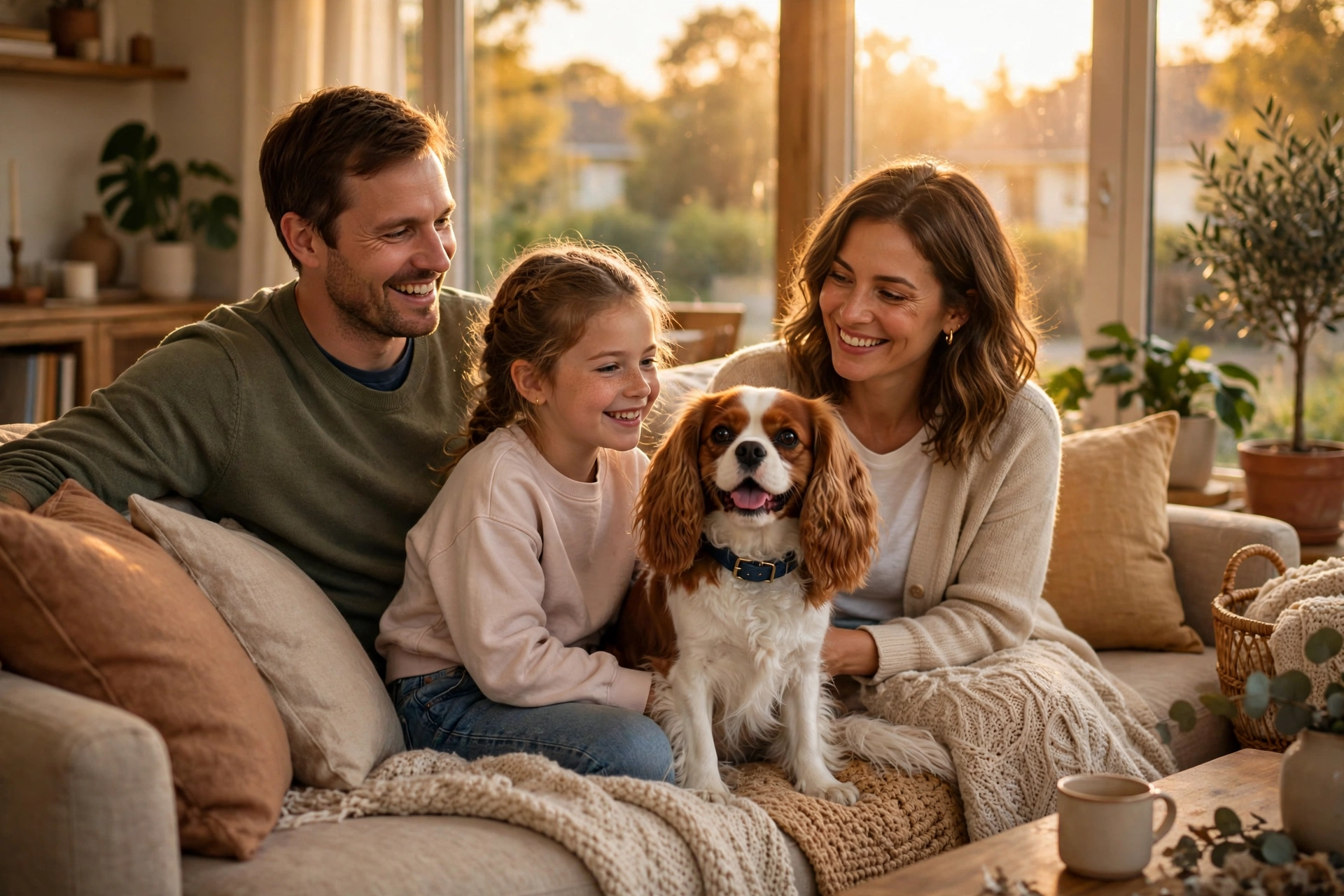
If you want a dog who will worship you from the couch, meet the Cavalier. At 12–18 pounds, they’re gentle, affectionate, and happy with a 30-minute walk — historically bred as lap dogs for royalty, and they take the job seriously. Lifespan is typically 12–14 years.
Two things to know. First, Cavaliers are very attached; they don’t do well left alone for 10-hour workdays. Second, the breed has known heart issues — choose a breeder who does cardiac screening, or ask a rescue about screened adults.
4. Poodle (Miniature or Standard)
Poodles sit at #6 in the AKC’s 2025 rankings, and they’re underrated by first-timers who picture frou-frou show dogs. In reality, they’re whip-smart athletes in a low-shedding coat. Standards (40–70 pounds) make superb family dogs; Miniatures (10–15 pounds) suit smaller homes. They live 10 to 18 years depending on size.
The coat still needs professional grooming every 6–8 weeks ($70–$120 a session in most cities). In exchange, you get one of the easiest breeds to house-train — Poodles seem to learn new commands in half the repetitions of most breeds.
5. Bichon Frise
The Bichon is what happens when you cross a marshmallow with a comedian. At 12–18 pounds, these cheerful white fluffballs are sturdy for their size, great with kids, and famously low-shedding, with a 14–15 year lifespan. They have a talent for making first-time owners feel like naturals.
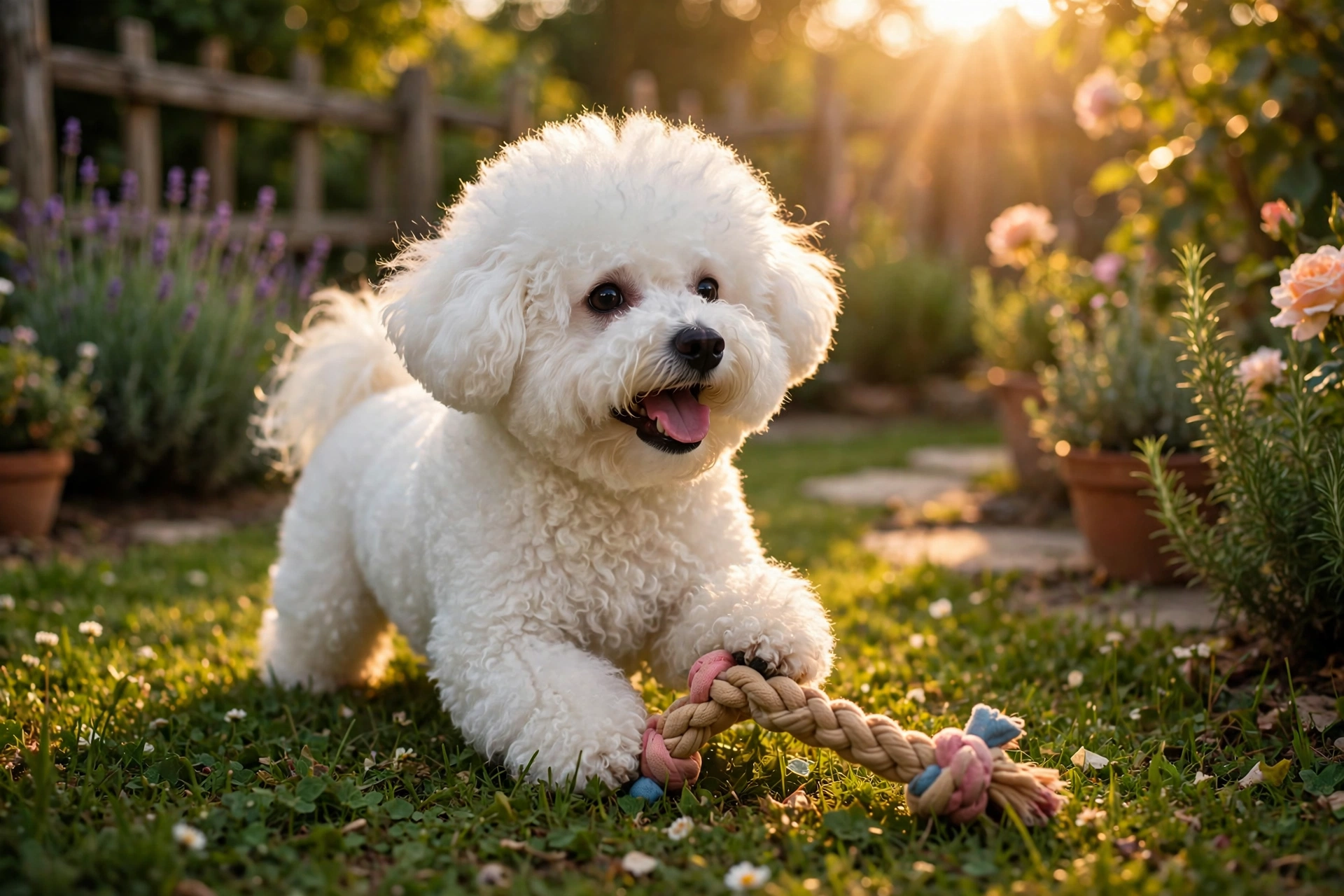
Like Poodles, they need regular grooming (budget for it), and they can develop a big bark if you don’t teach a “quiet” cue early. But Bichons forgive training mistakes with a wag — exactly what a nervous new owner needs.
6. Shih Tzu
Bred as palace companions in China, the Shih Tzu has roughly a thousand years of practice at being a house dog — and it shows. At 9–16 pounds, they’re adaptable to apartments, content with short walks, and famously unbothered by the chaos of family life. Lifespan: 10–18 years.
Their beautiful long coat mats if neglected, though many owners keep them in a short “puppy cut” that’s far easier to maintain. Shih Tzus can be a touch stubborn about house-training, so patience (and treats) matter. What they lack in eagerness to obey, they make up for in charm.
7. Beagle
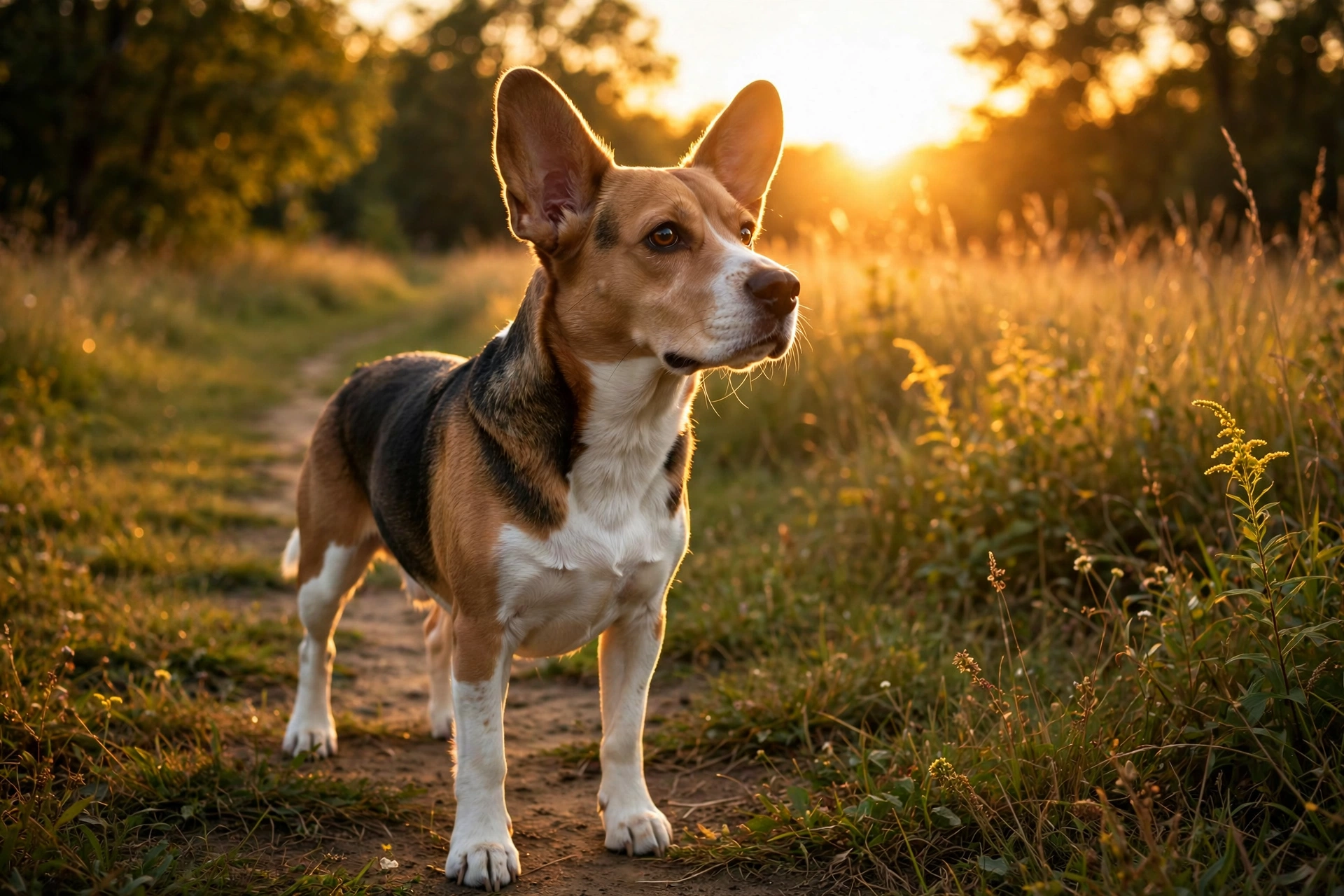
Beagles (#7 in the AKC 2025 rankings) are merry, sturdy, and endlessly entertaining — a 20–25 pound bundle of optimism with a 10–15 year lifespan. Fantastic with kids, hardy, and their short coat is wash-and-wear.
The fine print: Beagles follow their noses the way toddlers follow ice cream trucks. They need a fenced yard or a leash, always, and they’re famously vocal — that baying bark carries. Wonderful for an active owner who finds nose-driven mischief funny rather than maddening.
8. French Bulldog
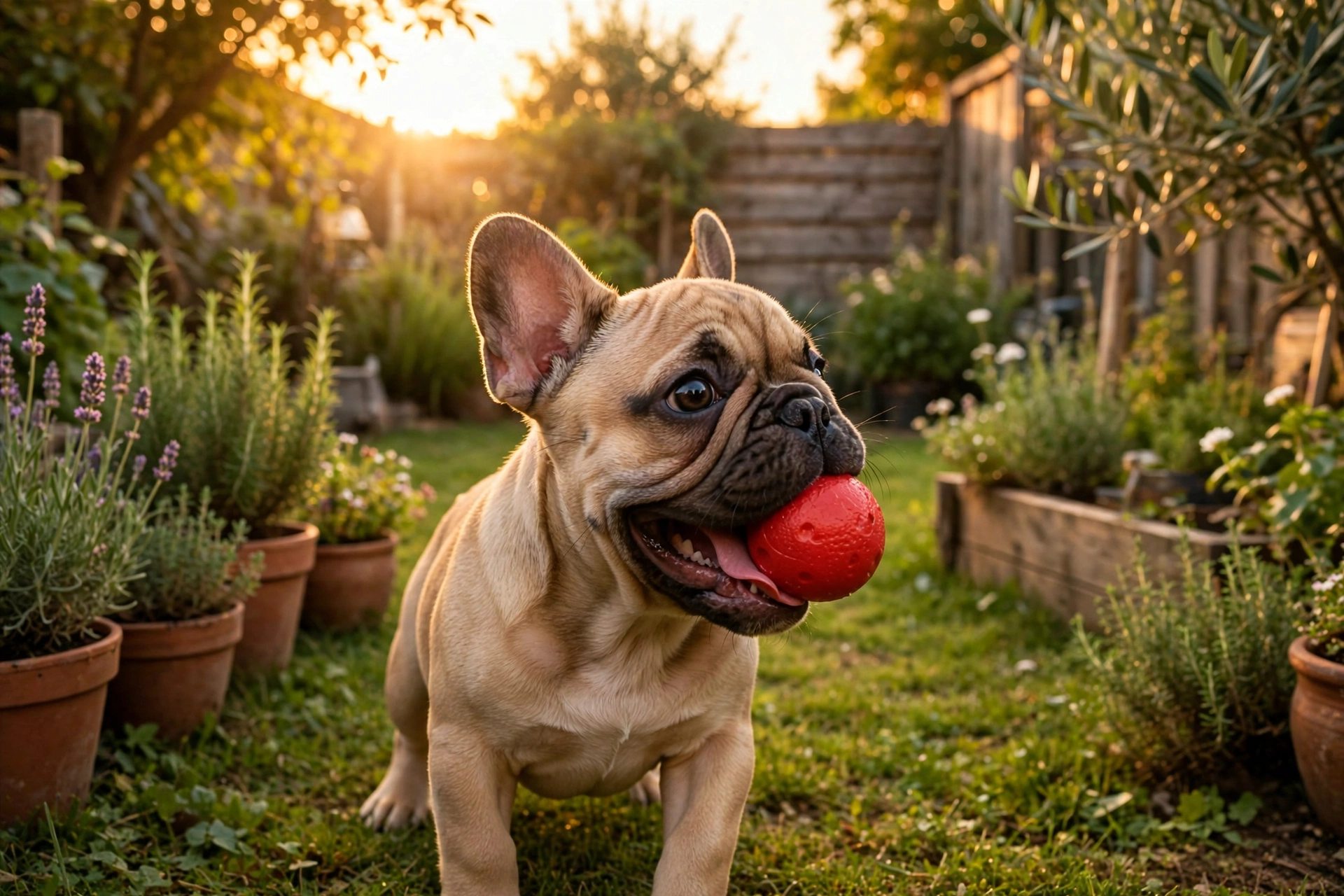
America’s #1 breed for four years running (2022–2025), with nearly 74,500 AKC registrations in 2025 alone. Frenchies are compact (under 28 pounds), quiet, low-exercise companions who adapt beautifully to apartments — affectionate clowns with bat ears. Typical lifespan: 10–12 years.
The catch is health. That adorable flat face comes with breathing issues, heat sensitivity, and often pricey vet bills — many Frenchie owners budget $1,000+ a year for care, and pet insurance is strongly recommended. Know that this easygoing breed is not a cheap one.
9. Pug
Pugs are the comedians of the dog world — 14–18 pounds of snorting, snuggling, utterly devoted companion, with a 12–15 year lifespan. They’re adaptable to almost any living situation, need only moderate exercise, and get along with everyone: kids, cats, strangers, your judgmental mother-in-law.
Like Frenchies, Pugs are flat-faced, so watch their weight and keep them cool in summer. They also shed more than that short coat suggests. But a Pug’s greatest gift is attitude: they seem genuinely delighted by the whole business of being your dog.
10. Cocker Spaniel
The Cocker Spaniel was America’s sweetheart in the 1940s–50s and remains a lovely first-dog pick: 20–30 pounds, merry, gentle with children, eager to please. They need about an hour of daily activity, regular ear cleanings (those long ears trap moisture), and brushing a few times a week to stay mat-free — with a lifespan of 10–14 years.
3 Popular Breeds First-Timers Should Think Twice About
Loving a breed from afar and living with one are different things. These three are wonderful dogs — in the right hands.
Belgian Malinois
They look like sleek German Shepherds and star in police K-9 videos, which makes them tempting. But Malinois are working athletes with a Ferrari engine and bicycle brakes: they need hours of intense physical and mental work daily, and an under-stimulated Malinois will remodel your house. This is a breed for experienced handlers with a job to give the dog — not a first project.
Border Collie
The smartest breed on the planet sounds like a beginner’s dream — a dog who learns fast! The problem is that Border Collies learn everything fast, including bad habits, and they need a level of daily mental stimulation most first-timers can’t sustain: herding, agility, or advanced trick training as a lifestyle, not a weekend hobby. A bored Border Collie will herd your children, your cat, and your furniture.
Siberian Husky
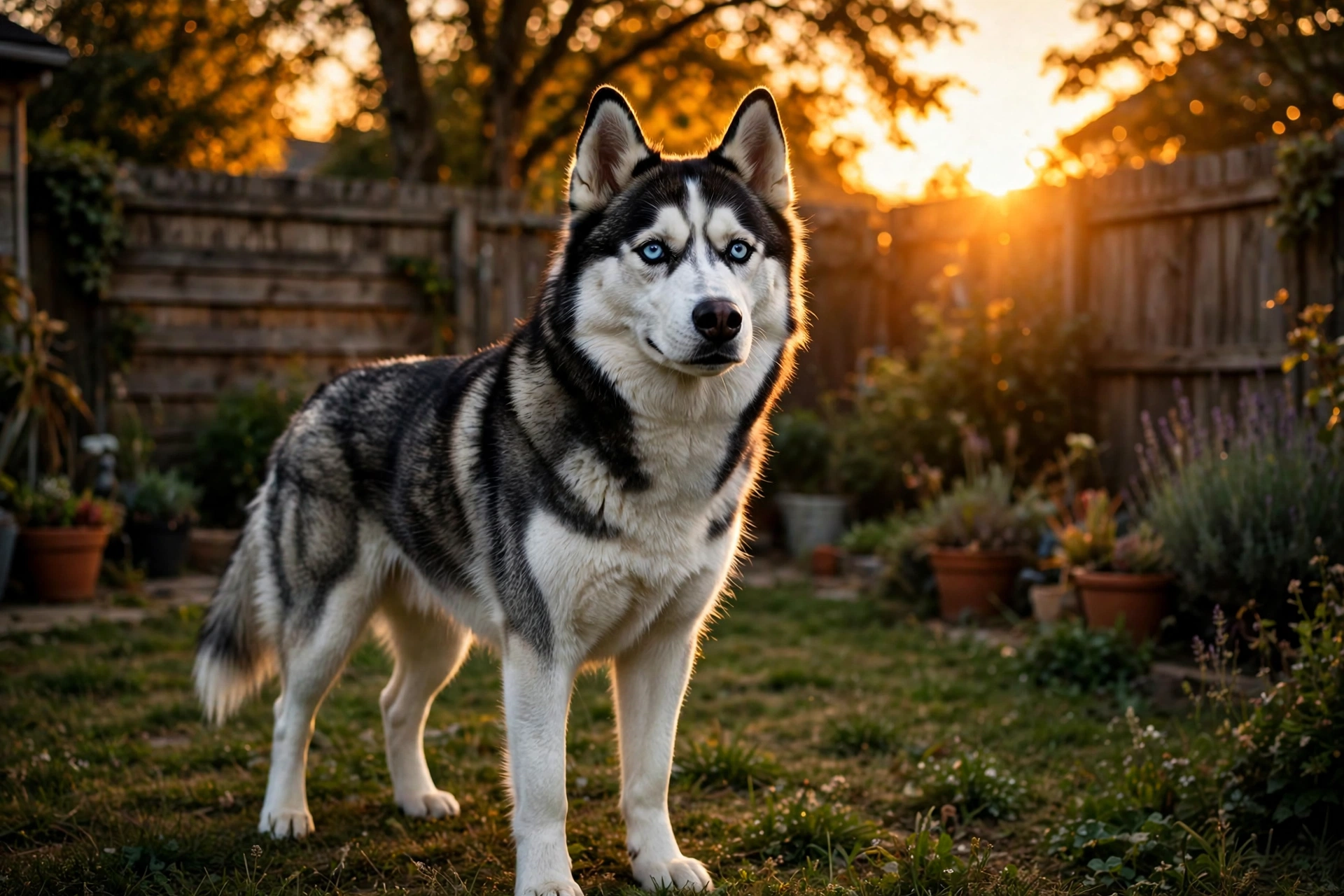
Those blue eyes and that wolfish grin sell a lot of puppies. Huskies are gorgeous, friendly, and catastrophically high-maintenance for beginners: legendary escape artists (a 6-foot fence is a suggestion), they shed enough fur to knit a second dog twice a year, and their prey drive makes off-leash walks a fantasy.
Quick Comparison: The 10 at a Glance
Deciding between finalists? Labs and Goldens are the best all-rounders for active families. Cavalier, Bichon, Shih Tzu, and Pug suit smaller spaces and calmer households. Poodles fit allergy-sensitive homes willing to pay for grooming. Beagles are for owners who want a sturdy, funny adventure buddy. Frenchies are great apartment companions if your budget handles the vet bills. And the Cocker Spaniel is the sweet middle ground — sporty enough for hikes, gentle enough for toddlers.
FAQs: First-Time Dog Owners Ask
What’s the single best dog breed for a first-time owner?
For most people, it’s the Labrador or Golden Retriever. They’re forgiving of beginner mistakes, highly trainable, great with kids and other pets, and there’s a century of training knowledge behind them — whatever problem you hit, thousands of owners have solved it before you. In a small apartment, the Cavalier King Charles Spaniel or French Bulldog is the equivalent pick in a smaller package.
Should I get a puppy or an adult dog as a first-timer?
Honestly? An adult dog (1–3 years old) is often the smarter first dog. Puppies need potty breaks every 2 hours, chew everything, and hit a rebellious teenage phase around 8–14 months. An adult rescue of a beginner-friendly breed is usually house-trained, past the worst chewing, and shows you its real personality upfront. Shelters are full of wonderful 2-year-old Labs and Goldens.
Male or female — does it matter?
Less than individual personality. Males of some breeds can be slightly more goofy and slower to mature, while females can be a touch more independent — but the differences within a breed dwarf the differences between sexes. Meet the actual dog, not the stereotype. Spaying or neutering (typically $200–$500) evens out most hormonal behavior differences anyway.
How much does a first dog cost in the first year?
Budget $1,500–$2,500 for the first year, not counting the adoption or purchase price: first vet visits and vaccines ($200–$400), spay/neuter, food ($300–$700 depending on size), a crate, leash, bed, toys, and training classes ($150–$300 for a basic group course — money extremely well spent). Emergency vet visits are the wild card; trainers recommend pet insurance or a $1,000 emergency fund from day one.
Can I really train a dog myself with no experience?
Yes — especially with one of the breeds above. Modern positive-reinforcement training is designed for ordinary owners: short 5-minute sessions, lots of treats, and consistency beat talent every time. A single 6-week group class (usually under $200) will teach you more than any book, and your dog will learn alongside other beginners. The breeds on this list stay motivated even when your timing is imperfect.
The Bottom Line
The best first dog isn’t the most impressive breed — it’s the one whose needs match the life you actually live. Be honest about your schedule, your space, and your energy, then pick from the list above with confidence. The “perfect” breed matters far less than showing up every day with patience, treats, and a sense of humor.
This article was created with AI assistance and reviewed by our editorial team before publishing.
 Shiba Inu for Beginners: Loyal, Foxy, Strong-Willed
 Border Collie for Beginners: Energy, Training and Care
 Best Cat Breeds for First-Time Owners: 7 Gentle Picks
Leave a Reply