
Most cat hairballs are normal. A healthy cat swallows loose fur while grooming, and most of it passes through without drama — the occasional hairball, maybe once or twice a month, is just part of living with a cat. Call your vet when hairballs become weekly, when your cat retches without producing anything, or when coughing up fur comes with appetite loss, lethargy, or vomiting. Frequency, not the hairball itself, is the warning sign.
If you’ve ever stepped on a wet, cigar-shaped hairball in bare feet at 2 a.m., welcome to cat ownership. It’s gross, it’s startling, and the hacking sound that comes before it can send any new owner into a panic. Is she choking? Is something stuck?
Usually, no. But “usually” is doing some heavy lifting in that sentence, so let’s sort out what’s normal, what’s not, and what you can actually do about it.
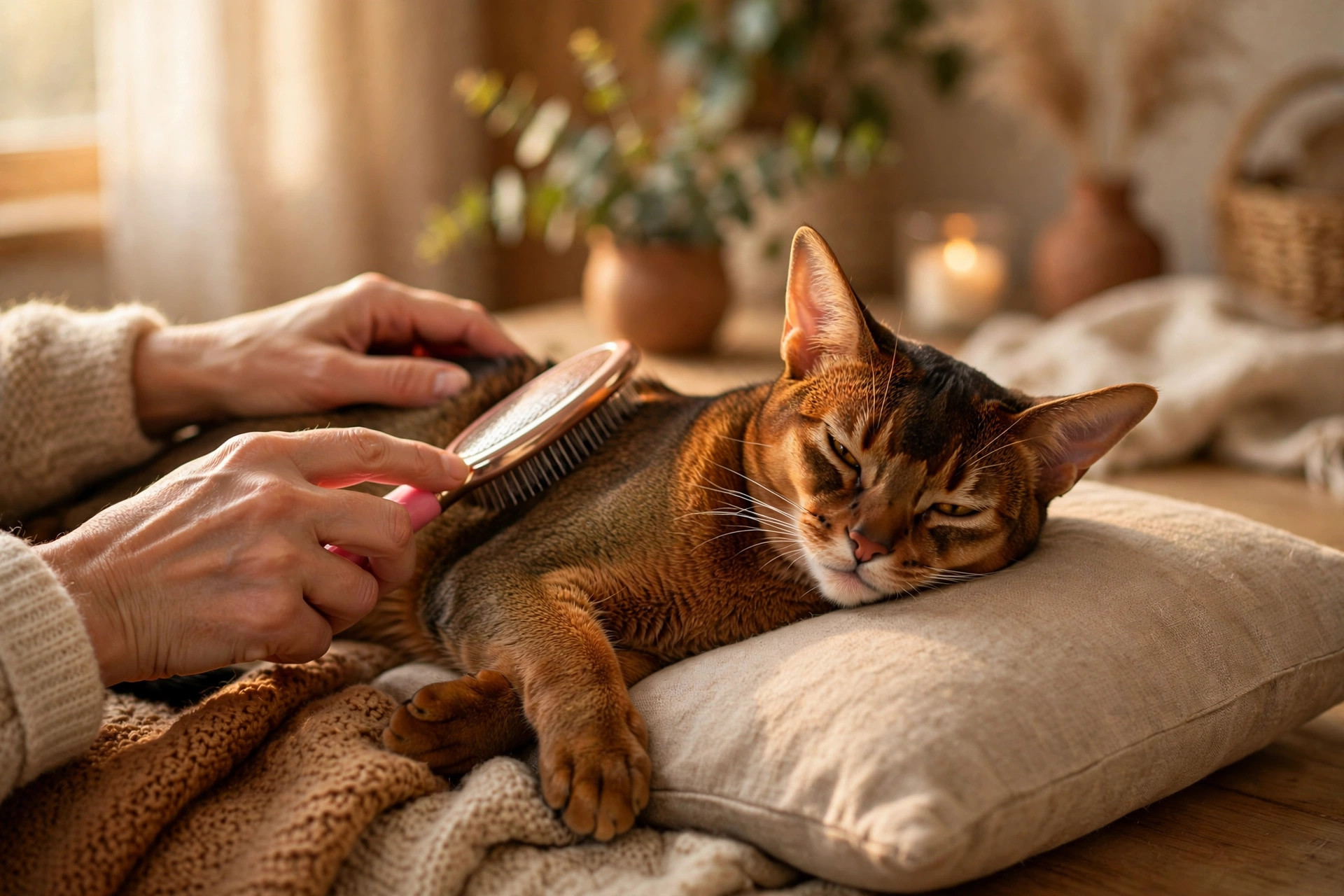
Why cats get hairballs in the first place
A cat’s tongue is covered in tiny backward-facing barbs. Great for grooming. Terrible for spitting anything out. Every lick sweeps loose fur in one direction only: down the throat.
Most of that fur travels through the digestive system and out the other end without you ever knowing. Some of it doesn’t. It collects in the stomach, mixes with mucus and food, and eventually the stomach gets tired of hosting it. Out it comes — that’s your hairball.
Long-haired cats and heavy groomers produce more of them. So do cats in spring and autumn, when coats turn over. Kittens rarely do, because their grooming technique is still sloppy and their coats are short. If your adult cat has coughed up a hairball or two, nothing has gone wrong. That’s just the system working.
The “occasional” rule: how many is too many?
Here’s the honest answer vets give: there’s no magic number, but there’s a clear direction. A hairball every few weeks? Unremarkable. One a week, every week? That’s worth a phone call. Daily retching? That’s a vet visit, not a wait-and-see.
The Cornell Feline Health Center makes a point worth remembering: frequent hairballs in a short-haired cat are not something to shrug off. They can point to skin problems that make a cat over-groom, or to gut problems that stop fur moving through the way it should. In other words, the hairball can be a symptom wearing a disguise.
Keep rough track for a month. A note on your phone is fine. “Twice in March, both after heavy brushing sessions” tells your vet far more than “it happens a lot, I think.”
Warning signs that mean “call the vet”
Most of these are about effort without results, or hairballs arriving with company.
- Retching, gagging, or coughing with nothing coming up. Repeated unproductive retching can mean a blockage — and a blocked gut is an emergency, not a home-remedy situation.
- Appetite changes. A cat who skips meals for a day is one thing. A cat who stops eating altogether is another.
- Lethargy. Sleeping more than usual, hiding, losing interest in play.
- Vomiting that isn’t fur. Food, foam, or liquid coming up regularly is a separate problem.
- Constipation or diarrhea showing up alongside the hairballs.
- A swollen or painful belly, or crying out when you pick your cat up.
One more that surprises people: persistent coughing is often blamed on hairballs when it’s actually the lungs. According to the Cornell Feline Health Center, a chronic cough in cats can be a sign of asthma rather than fur — and asthma needs its own treatment. If your cat coughs but rarely produces a hairball, don’t assume fur is the culprit.
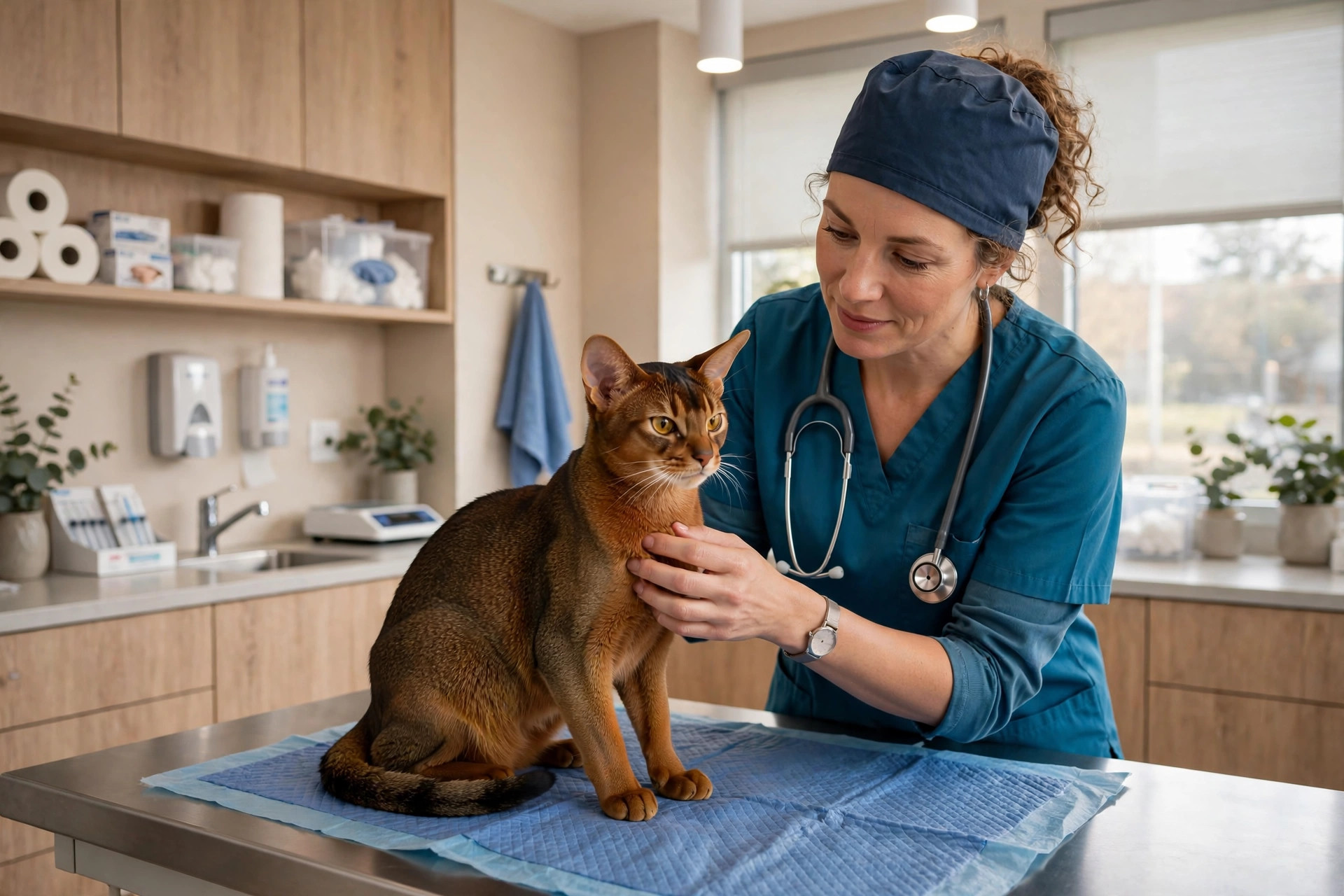
What actually helps: grooming first
The least glamorous solution is the best one. Fur you brush off your cat is fur that never reaches her stomach.
Short-haired cats do well with a brushing session two or three times a week. Long-haired cats — Persians, Maine Coons, Ragdolls — benefit from daily attention, even if it’s just five minutes with a slicker brush while you watch TV. Work in the direction the coat grows, keep it gentle, and stop before your cat does. A session that ends in a wrestling match teaches her to run from the brush.
Timing helps. Brush after play, when your cat is warm and mellow. Pair it with a treat at the end and most cats start showing up for it voluntarily. Really. The brush becomes the treat bell.
Food, fiber, and water
Can food fix hairballs? Not on its own, but the right diet makes the gut’s job easier, and a gut that moves fur through is a gut that produces fewer hairballs.
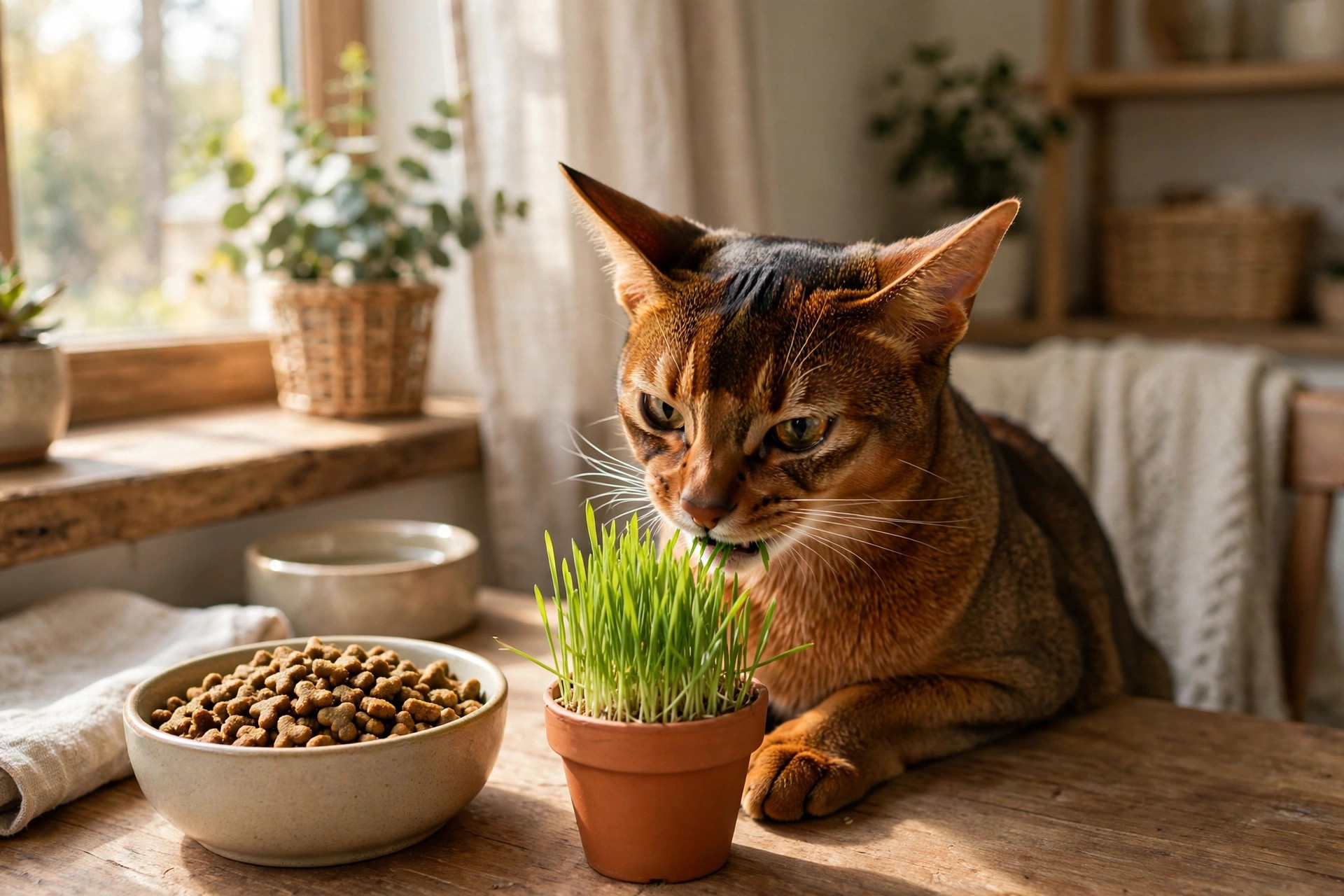
Diets formulated for hairball control add extra fiber, which helps sweep swallowed fur through the digestive tract. Plain canned pumpkin — a teaspoon mixed into food — is a gentle fiber boost many vets suggest for mild cases; make sure it’s plain pumpkin, never pie filling with spices. Cat grass is another old standby: cats nibble it, and it can help move things along in either direction.
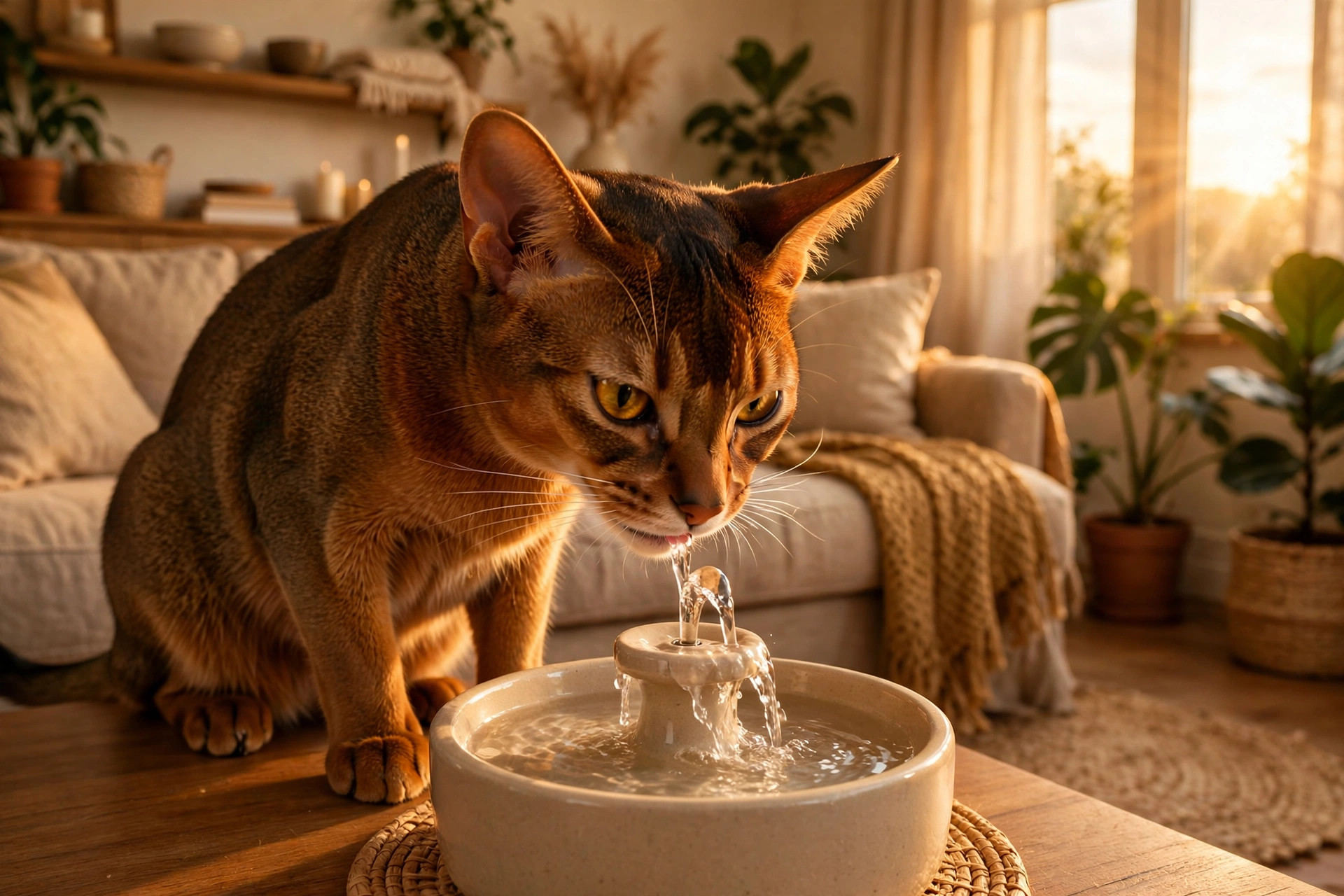
Water matters more than people think. A slightly dehydrated cat has a slower gut. If your cat ignores her bowl, try a fountain — plenty of cats prefer moving water — and put water somewhere quiet, away from the litter box.
What about hairball gels and remedies?
The gels you’ll see in pet shops are mostly mild lubricants. They coat the fur in the stomach and help it slide through. Used as directed, they’re fine for an otherwise healthy cat with occasional hairballs.
Two cautions. First, never use petroleum jelly straight from your own cabinet unless your vet says so — the pet products are formulated and flavored for cats, and dose matters. Second, a gel is a helper, not a diagnosis. If you’re going through a tube a month, the gel isn’t failing you. It’s telling you something else is going on, and that something deserves a vet’s eyes.
And skip the home remedies from the internet’s stranger corners. Butter, oils, and mineral oil all make the rounds as folk cures; mineral oil in particular is risky because a cat who inhales it can develop a serious lung problem. Not worth it.
A simple plan for the next month
- Brush on a schedule. Two or three sessions a week for short coats, daily for long ones.
- Log every hairball. Date, time, done. One line each.
- Add one gut helper. Fiber-rich food, a little plain pumpkin, or a pot of cat grass — pick one, not all three at once, so you can tell what helped.
- Check the water setup. Fresh water daily, in a spot your cat actually likes.
- Review at four weeks. Fewer hairballs? Keep going. Same or worse? Take your log to the vet — you’ve just made that appointment twice as useful.
That’s it. No special equipment, no expensive supplements. Just less loose fur going in, and a gut that keeps what does go in moving along.
Frequently asked questions
How often should a cat have hairballs?
Once or twice a month is common for many cats, especially long-haired breeds and heavy groomers. Weekly hairballs — or several in a short span — are a reason to talk to your vet, particularly in a short-haired cat.
Can a hairball kill a cat?
It’s rare, but a large hairball can block the intestine, and a blockage is life-threatening without treatment. That’s why unproductive retching, appetite loss, and lethargy alongside hairball trouble should never be waited out.
Do hairball remedies actually work?
Lubricant gels and fiber-rich diets help mild, occasional hairballs pass more easily. They don’t fix an underlying skin or gut problem, so if hairballs keep coming despite remedies, the next step is a vet visit, not a stronger product.
My cat coughs but never produces a hairball. Is that normal?
Not necessarily. A repeated cough with nothing produced can be a sign of feline asthma or another respiratory issue, according to the Cornell Feline Health Center. Book a checkup rather than assuming it’s fur.
Are hairballs more common in certain breeds?
Yes. Long-haired breeds such as Persians, Maine Coons, and Ragdolls swallow more loose fur and tend to produce hairballs more often, which is why daily brushing matters most for them.
This article was created with AI assistance and reviewed by our editorial team before publishing.
 The New Owner’s Guide to Pet Insurance Basics
 Why Is My Dog Scratching? Causes and When to Worry
 Shiba Inu for Beginners: Loyal, Foxy, Strong-Willed
Leave a Reply