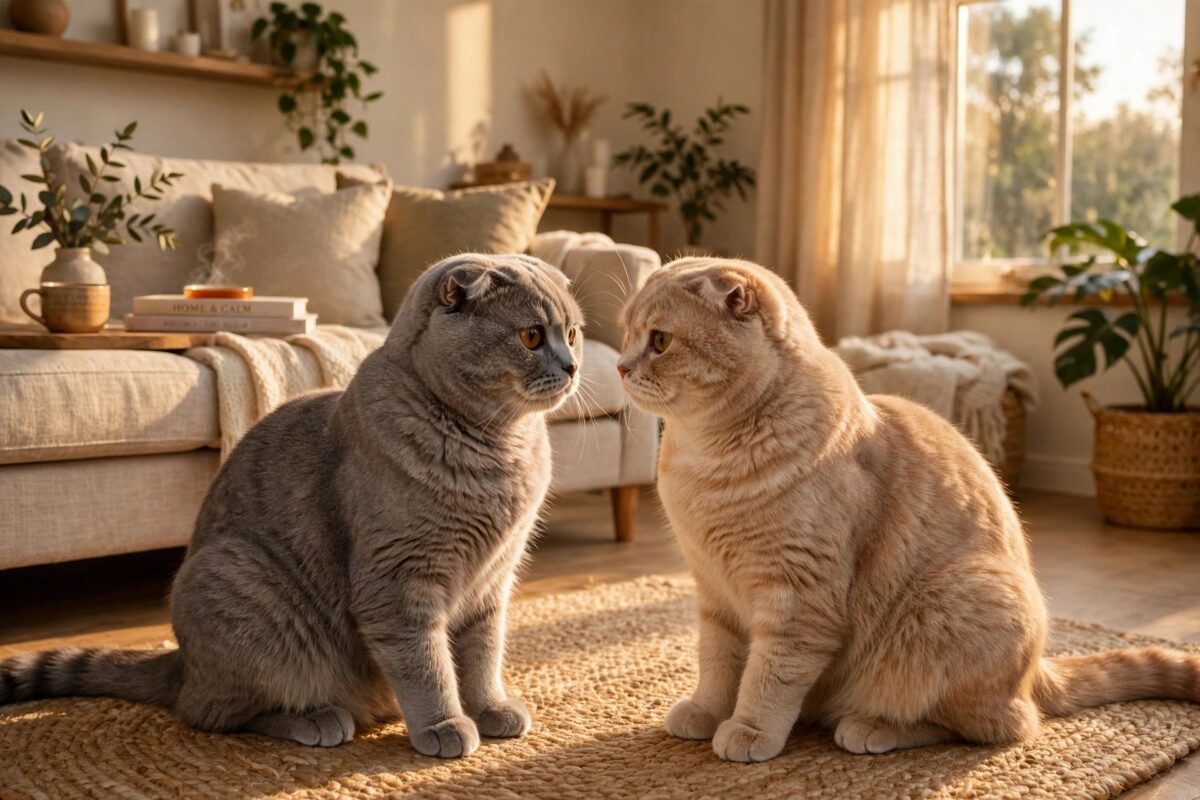
Cat playdates can work for indoor cats, but only when they’re slow, scent-first, and easy to leave. Start with separate rooms, short supervised meetings, and shared play at a distance. If either cat can’t relax, eat, or walk away freely, pause and try again another day.
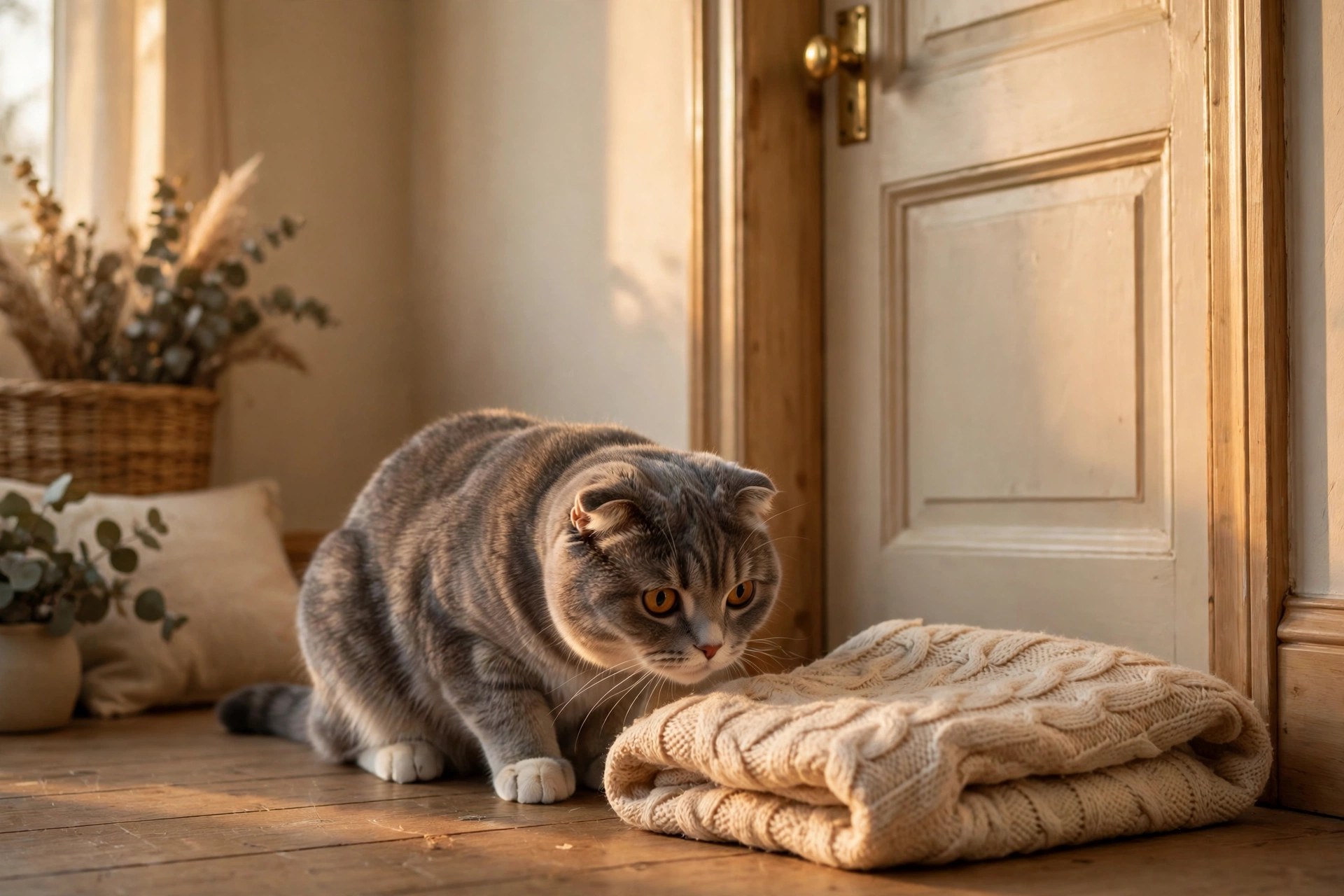
Is your cat actually a good candidate?
Not every indoor cat wants a visiting friend. Some cats adore company. Others like people, tolerate one familiar cat, and want every stranger out of the hallway.
Both answers are fine. A playdate should add something good to your cat’s week, not just a cute photo.
Good candidates tend to be curious rather than pushy. Your cat watches new things, then relaxes. They eat normally after a change in routine. They can walk away from excitement and settle again.
Be more cautious if your cat hides for hours after guests visit, guards doors or litter boxes, or has a history of fights that left bites. A cat who’s recently moved, been ill, or lost a housemate also deserves a quieter schedule first. Wait until normal eating, playing, and sleeping are back on track.
Age matters, too. A bouncy young cat can overwhelm a senior in minutes, even with friendly intent. Match energy levels where you can. Two easygoing adults, or two playful youngsters, usually read each other better than a mismatch.
Start with scent, not a meeting
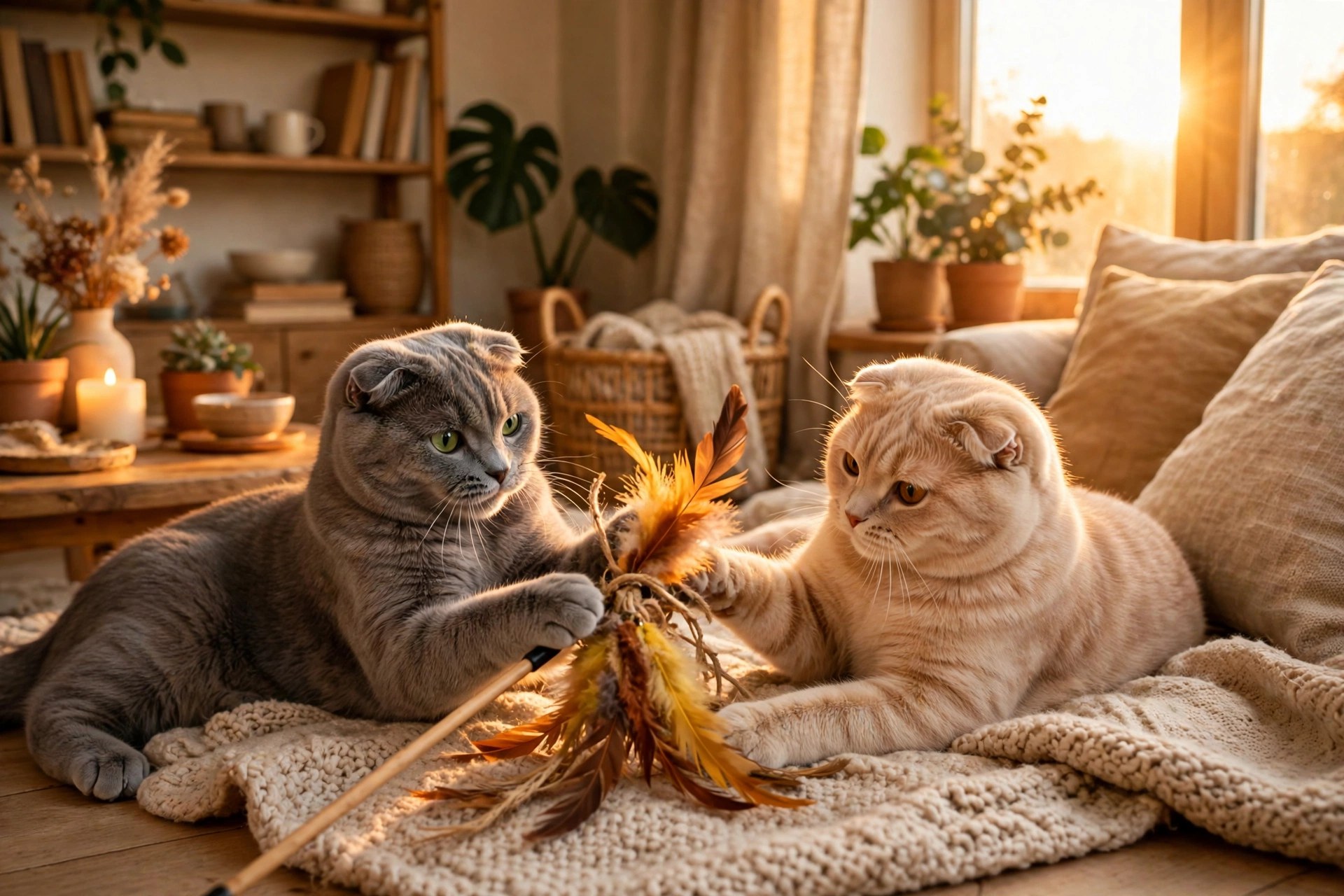
Cats learn a lot through smell. Use that. A few days before any visit, swap soft blankets or bedding between the two homes so each cat can investigate the other’s scent alone.
Don’t rub a blanket on a cat who hates being handled. Just leave it near a favorite resting spot and let them choose. Sniffing, ignoring, or sleeping on it are all relaxed responses.
Growling at a blanket? That’s useful information, not a failure. Slow down. Keep the scent mild and brief, pair it with a favorite treat, and give it more days.
You can also feed meals on opposite sides of a closed door once the cats are in the same home for a visit. Food builds a pleasant link with that smell on the other side. Keep the bowls far enough from the door that neither cat feels trapped while eating.
If either cat stops eating near the door, move the bowls back. Distance is your friend at every stage of this process. Really, distance solves more playdate problems than any gadget you can buy.
Set up the room so both cats can leave
Pick one neutral, roomy space for the first meeting. A cramped hallway or a tiny bathroom forces cats together, and forced closeness is where most trouble starts.
Before the visitor arrives, set out two of everything that matters. Two litter boxes, in different spots. Two water bowls. Two scratching posts or cardboard scratchers. Duplicate resources mean nobody has to compete, and competition is what turns curiosity into guarding.
Add high and low escape routes. A cat tree, a chair, an open box, a clear path back to the door. A cat who can leave rarely feels the need to fight.
Keep carriers out of the middle of the room, but leave the visitor’s carrier open nearby with a familiar blanket inside. For the visiting cat, that carrier is home base. It smells right, and it gives them somewhere known to retreat to.
Close off tight spots where a scared cat could get cornered. Safe hiding is good. A dead end isn’t.
The first meeting, step by step
Let the visiting cat settle first. Bring them in inside their carrier, set it down, and let your cat notice from a distance. No opening the door yet. Five quiet minutes here can save the whole visit.
Watch what happens. If both cats look loose and curious — ears forward, tails up or neutral, easy movement — open the carrier and let the visitor step out on their own. Never tip a cat out into the room. Never carry one cat over to meet the other.
Keep this first session short. Five to ten minutes is plenty. You’re not trying to reach best-friend status in one afternoon; you’re collecting evidence that both cats can share space calmly.
Have one person per cat, if you can. Each person watches one cat, holds a wand toy, and keeps a thick towel handy in case they need to block a view or gently separate a pair. Hands stay out of any scuffle. Always.
End while things are still boring. Boring is the goal. Separate the cats before either gets tired, hungry, or overexcited, and the last memory of the visit stays a calm one.
Play that keeps the mood low and loose
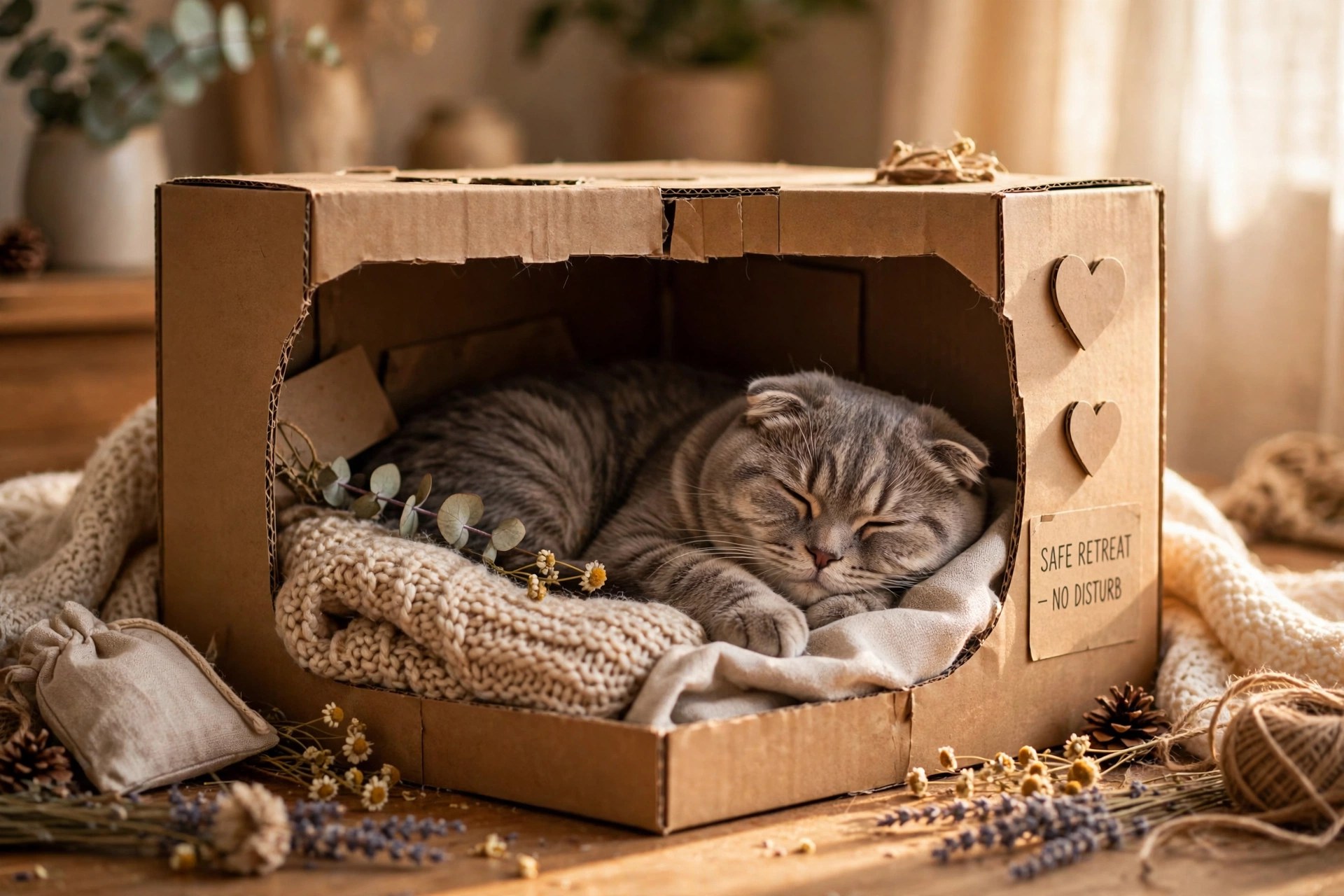
Shared play gives both cats something to do besides staring at each other. A staring contest between cats can heat up fast. A wand toy crossing the room, though? That gives eyes and paws a better job.
Use two wand toys, one per cat, kept well apart. Let each cat chase, pounce, and catch on their own side of the room. Short catches keep confidence up and frustration down.
Skip toys that toss both cats into the same small space, like a single treat ball rolling between them. Skip catnip for first meetings, too. It makes some cats silly and relaxed, and others oddly intense. You don’t need that wild card on day one.
Treats work best as punctuation, not the main event. Reward a cat for glancing at the other cat and then looking away. That look-away is gold. It means your cat noticed the stranger, chose calm, and moved on.
If play gets faster, louder, or more fixed, dial it back. Slow the toy down. Add distance. Let heart rates settle before you continue, or call the session done.
Green flags and red flags at a glance
Cat body language can be subtle, especially if you’re used to dogs. This quick comparison covers the signs you’ll see most often during cat playdates.
| Green flags — keep going, calmly | Red flags — pause or stop |
|---|---|
| Soft, squinty eyes and slow blinks | Hard, unbroken staring with wide pupils |
| Ears forward or slightly to the side | Ears flattened back against the head |
| Tail up, or held loosely with a gentle curve | Tail puffed up, lashing, or tucked low |
| Rolling, showing the belly, then wandering off | Crouching low with weight shifted back, ready to bolt or lunge |
| Play with pauses — one cat chases, then rests | One cat chasing every time while the other only flees |
| Soft chirps or quiet sniffing, nose to nose | Growling, hissing, spitting, or yowling |
One red-flag moment doesn’t doom a friendship. Cats grumble. A single hiss during a first meeting often just means “too close, thanks.” What matters is recovery. Does the cat shake it off, look away, and relax again within a minute or two?
If the same cat keeps flashing red flags, believe them. They’re not being dramatic. They’re telling you the session has outgrown what they can handle today.
Signs to stop the playdate right away
End the session at once if you see a real fight: biting that breaks skin, fur flying, screaming, or one cat pinning the other. Separate them calmly with a towel, a cushion, or a piece of cardboard slid between them — never your hands.
Stop earlier, too, if one cat hides and won’t come out, pants, drools, or tries to climb the walls to escape. Those are stress signals, not shyness. The kindest move is a quiet room, a closed door, and no more visitors that day.
Also watch the quiet cat. The one who freezes in a corner may look “fine” because they’re silent. Freezing is a cat holding very still and hoping the problem goes away. That cat needs distance just as much as the cat who’s hissing.
After any rough ending, give both cats at least a few days before trying again, and restart a step earlier — scent work, or meals across a door. Going backwards isn’t losing progress. It’s how progress actually sticks.
How often, and how long?
Short and regular beats long and rare. Two calm twenty-minute visits teach cats more than one chaotic hour ever will.
Build up gradually. Add a few minutes when the previous session ended relaxed for both cats. If a session goes badly, the next one gets shorter and simpler, not longer and braver.
Keep the visiting cat’s travel in mind, too. A cat who arrives stressed from a long, noisy car ride starts the playdate already over threshold. If the trip itself is miserable, try hosting at the other home instead.
Some cats will graduate to napping in the same room. Some will always prefer parallel play with plenty of floor between them. Both count as success. You’re building comfort, not a script.
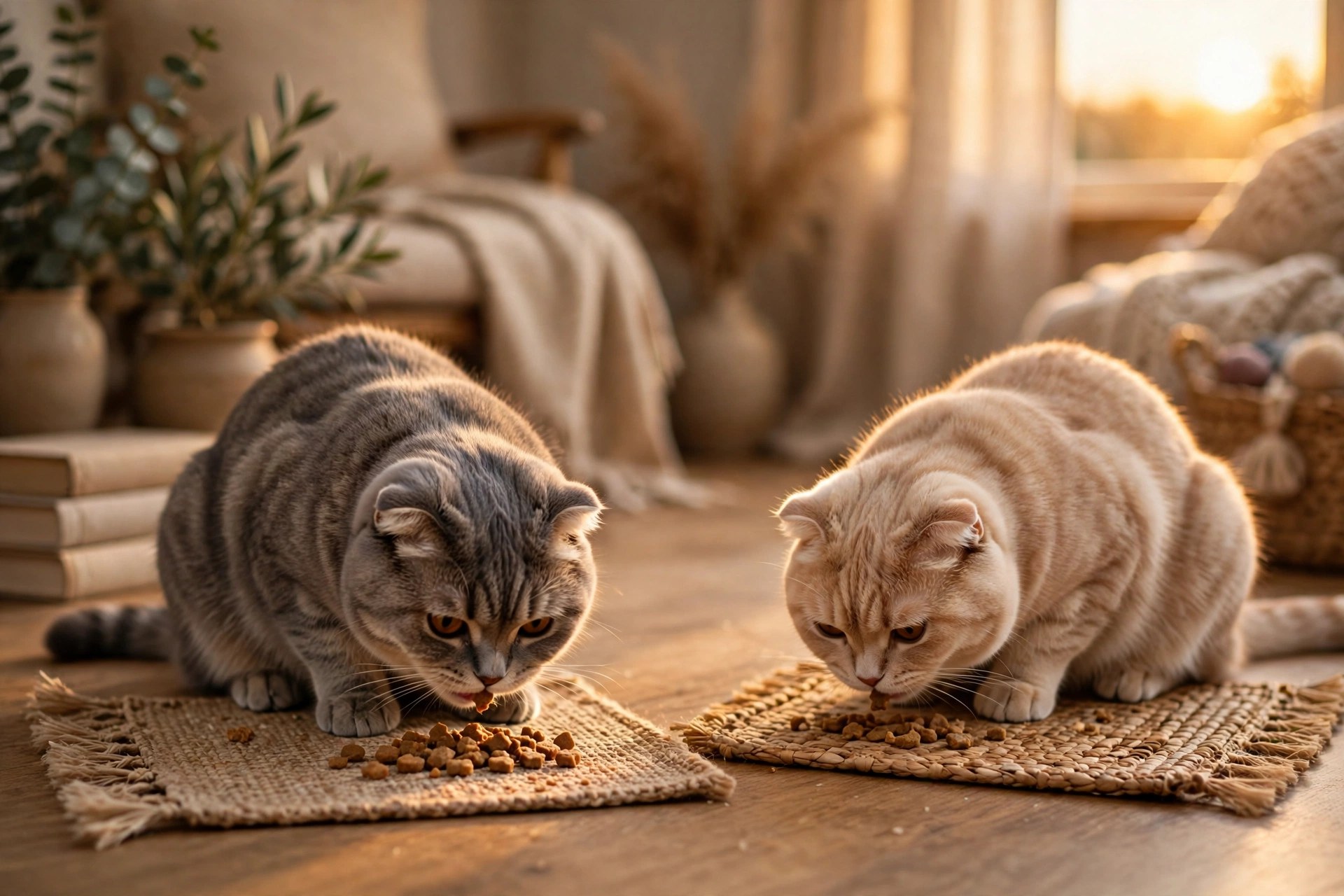
Finish every visit the same calm way. A few treats on separate mats, a last short game at a distance, then a quiet goodbye before anyone gets overtired. Routine helps cats predict what happens next, and predictable is relaxing.
Playdate checklist
- Both cats are healthy, eating normally, and back in their usual routine.
- Scent swapping has gone calmly for at least a few days.
- The meeting room has two litter boxes, two water bowls, and clear escape routes.
- Each cat has a retreat space — a carrier, box, or quiet room — that stays off-limits to the other cat.
- One adult per cat is present, with wand toys and a thick towel ready.
- The first session is planned short: five to ten minutes, ending while things are still calm.
- Two wand toys are ready, one per cat, with treats kept for rewarding look-aways.
- You know your stop signs: flattened ears, hard staring, growling, freezing, or hiding that doesn’t ease.
- Separate mats are set out for a calm, apart-together treat at the end.
- If today goes badly, the plan is set: pause for a few days and restart one step earlier.
Done well, a playdate gives an indoor cat new smells, new games, and a new face to figure out at their own pace. Keep it short, keep it optional, and let your cat set the speed. The friendships that start slowly tend to be the ones that last.
This article was created with AI assistance and reviewed by our editorial team before publishing.
 Guinea Pig Playdates: Safe Introductions Step by Step
 First Dog Park Visit? 10 Etiquette Rules to Know
 Shiba Inu for Beginners: Loyal, Foxy, Strong-Willed
Leave a Reply